
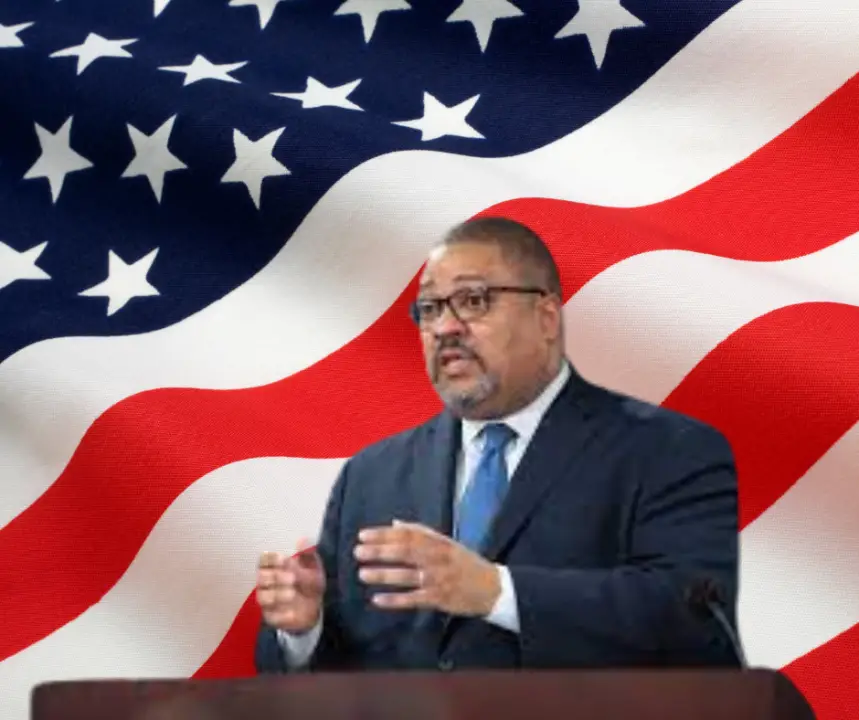
In a notable legal standoff, an Arizona prosecutor has robustly defended their decision to refuse the extradition of a violent suspect to New York City, directly responding to criticism from NYC District Attorney Alvin Bragg. This dispute highlights the complexities and tensions that can arise between different jurisdictions over the handling of criminal suspects.
The Arizona prosecutor’s refusal to extradite the suspect stems from concerns over New York City’s criminal justice policies, which they argue may not adequately ensure justice or public safety. This decision has sparked a broader conversation about the principles and practices of extradition between states, especially in cases involving violent crimes.
DA Bragg, on the other hand, has criticized the Arizona prosecutor’s stance, emphasizing the importance of cooperation between jurisdictions to uphold the law and protect communities. Bragg’s position underscores the challenges faced by law enforcement officials in navigating the legal and procedural nuances of extradition to ensure that suspects are held accountable for their actions.
The exchange between the Arizona prosecutor and DA Bragg sheds light on the ongoing debate over criminal justice reform, public safety, and the responsibilities of legal authorities across different jurisdictions. It also raises questions about the balance between local autonomy in criminal justice decisions and the need for national consistency and cooperation in the pursuit of justice.
As this legal dispute unfolds, it serves as a case study in the interplay between state rights, federal principles, and the overarching goal of ensuring justice and safety in communities across the United States. The outcome of this standoff and the discussions it generates may have implications for future extradition requests and the broader dialogue on criminal justice policy and reform.