
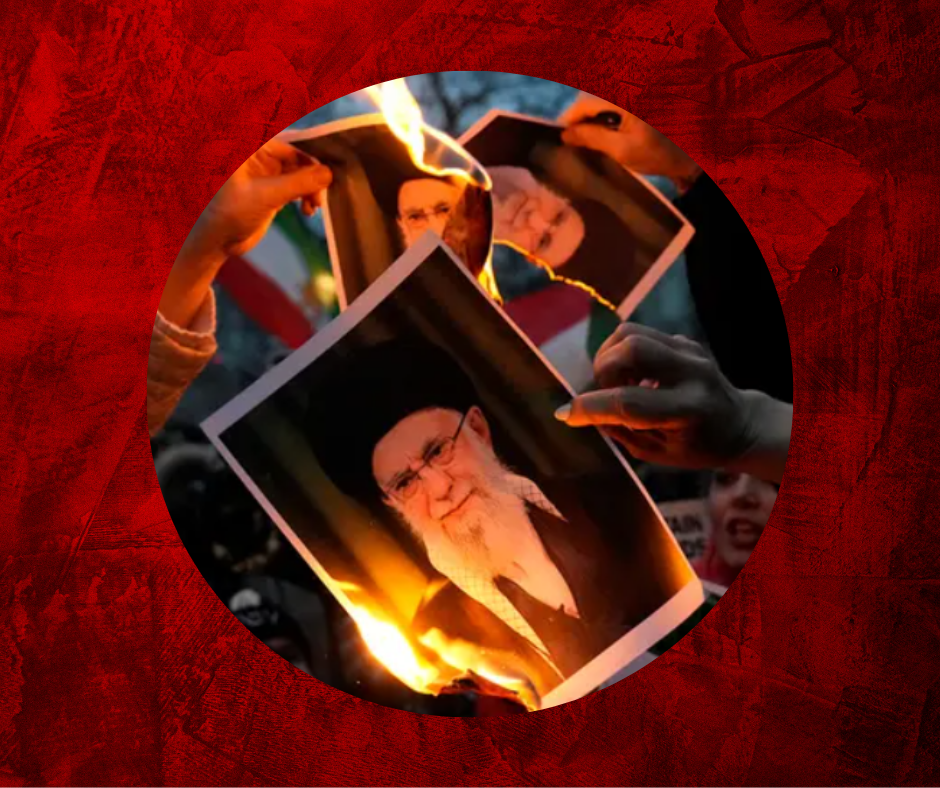
Iran’s appointment as vice-chair of the United Nations Commission for Social Development has ignited criticism from human rights advocates and international observers, who question the country’s suitability for a leadership role in a body focused on advancing democracy, gender equality and social progress.
The selection was confirmed during a routine UN session in New York, with member states approving the leadership slate without formal objection. The commission is responsible for promoting policies tied to inclusive governance, human rights principles and the advancement of women worldwide.
Opponents of the move argue that Iran’s domestic record, particularly concerning political dissent and women’s rights, conflicts with the mission of the commission. Critics have cited ongoing restrictions within the country as evidence that the appointment undermines the credibility of the panel’s stated goals.
Several U.S. officials and advocacy groups voiced concern over the decision, describing it as inconsistent with the principles the body is meant to uphold. The development has renewed debate over how member states are chosen for leadership roles within international institutions and what standards should apply to such appointments.