
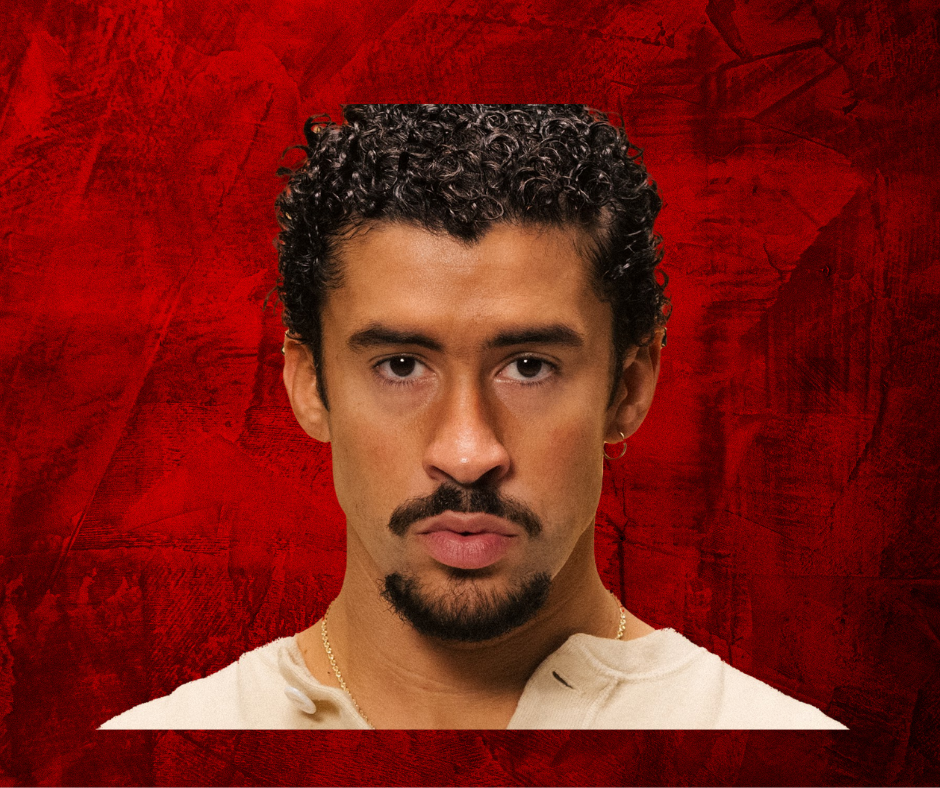
Puerto Rican artist Bad Bunny is facing criticism over his selection as this year’s Super Bowl halftime headline act, with detractors arguing the decision has sparked division rather than broad celebration.
As one of the most watched musical performances of the year, the halftime show traditionally unites fans through entertainment and spectacle. However, some viewers and commentators have expressed disapproval of Bad Bunny’s selection, contending that elements of his musical style and public persona do not align with what they consider a unifying cultural moment for the nation’s biggest televised event.
Critics have taken to social media and opinion platforms to voice their objections, saying the halftime choice reflects broader cultural disagreements and deepens existing divides among audience segments. Some argue that the selection overlooks alternative artists they would have preferred for the role.
Supporters of Bad Bunny counter that the artist represents a major global music figure whose inclusion highlights cultural diversity and resonates with younger and Hispanic audiences. They say his presence on the Super Bowl stage underscores evolving entertainment trends and reflects the tastes of a large portion of the viewing public.
The debate over the halftime performer has unfolded alongside discussions about the intersection of culture, entertainment, and national events, with many weighing in on what they believe constitutes appropriate representation for the Super Bowl audience.
Despite the controversy, the performance went ahead as planned, drawing millions of viewers and sparking musical commentary across social media. The episode illustrates how high-profile entertainment choices at major sports events can become flashpoints in broader cultural conversations.