
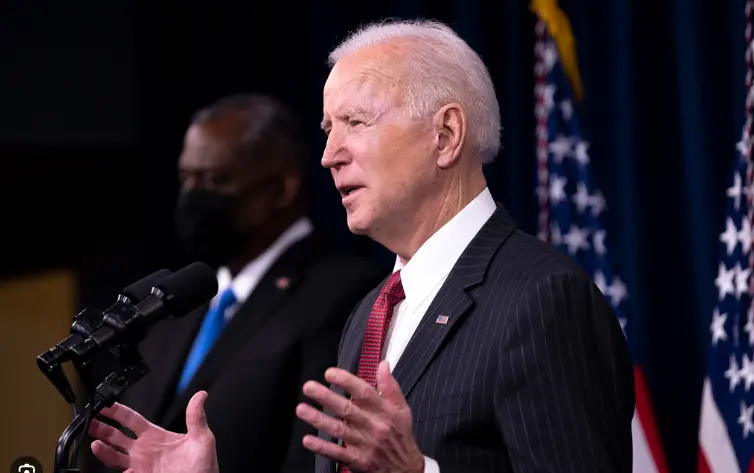
President Joe Biden recently announced a $4.5 billion student debt cancellation, a move that comes just weeks before the upcoming election. The cancellation is part of the administration’s ongoing efforts to alleviate the financial burden on borrowers and build on previous debt relief initiatives. This latest round of forgiveness is expected to benefit tens of thousands of borrowers, many of whom have been struggling with their student loan repayments for years.
The announcement, which has drawn both praise and criticism, is seen by some as a strategic effort to appeal to younger voters and those burdened by student debt ahead of the election. Supporters argue that the move will provide much-needed financial relief for individuals who have been disproportionately affected by rising education costs and the economic challenges of the past few years.
Critics, however, have raised concerns about the timing of the decision, suggesting it may be politically motivated. They also question the long-term impact of debt cancellation on taxpayers and the federal budget.
This latest step by the Biden administration reflects the president’s broader commitment to addressing the student debt crisis, a key issue for many voters, particularly within younger demographics. The announcement has further fueled discussions on the future of student loan policies and the role of government in providing financial relief.