
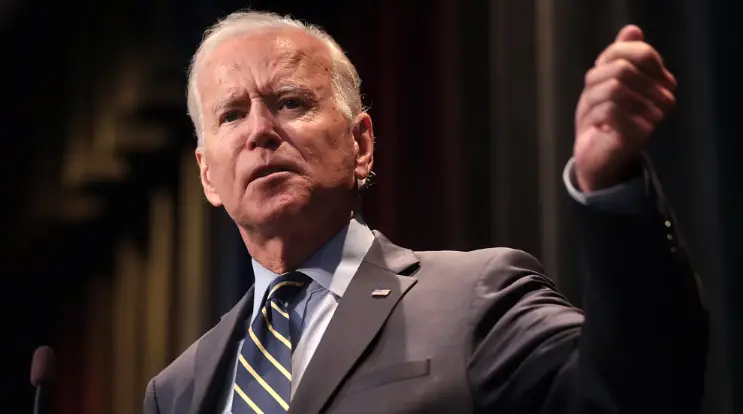
In an unexpected move, President Biden activated the Defense Production Act of 1950, a relic of the Cold War, to channel federal funding into the domestic production of electric heat pumps. This decision, announced in collaboration with the Department of Energy (DOE), earmarks an unprecedented $169 million to support nine projects across 15 locations in the United States. This initiative aims to bolster the production of these environmentally friendly heating alternatives and reduce reliance on gas-powered residential furnaces.
Energy Secretary Jennifer Granholm highlighted the move’s dual benefits, underscoring the potential for energy cost savings and job creation in the manufacturing sector. “These investments will create thousands of high-quality, good-paying manufacturing jobs and strengthen America’s energy supply chain,” Granholm stated.
The White House’s clean energy czar, John Podesta, praised the decision, seeing it as a strong response to the climate crisis. Ali Zaidi, Biden’s national climate advisor, echoed this sentiment, emphasizing the President’s use of wartime emergency powers to enhance U.S. manufacturing of clean technologies.
The DOE’s financial support extends to major players in the industry, including Copeland, Honeywell International, Mitsubishi Electric, and York International Corporation. These funds are directed towards advancing the manufacturing of various heat pump technologies for industrial, commercial, and residential use.
However, this move has attracted criticism from some quarters. Ben Lieberman, a senior fellow at the Competitive Enterprise Institute, criticized the action as “shameful corporate welfare,” arguing that market demand should dictate energy choices, not government intervention.
The DOE’s recent regulatory changes, which target traditional home gas-powered furnaces and aim to curb greenhouse gas emissions, have also sparked debate. Set to be implemented in 2028, these regulations require furnaces to achieve a minimum annual fuel utilization efficiency (AFUE) of 95%, a significant increase from the current 80% standard. This shift is expected to phase out less efficient, non-condensing gas furnaces, potentially imposing higher costs on consumers for furnace replacements.
Karen Harbert, President and CEO of the American Gas Association, expressed disappointment at the use of the Defense Production Act for advancing policy agendas, highlighting the role of natural gas in reducing CO2 emissions and maintaining energy resilience.
The Congressional Research Service notes that the DPA allows the President to influence domestic industry in the interest of national defense. Biden’s invocation of this law for climate change measures follows his earlier use of it to boost critical mineral production and pause tariffs on Chinese solar panel imports.
In addition to targeting furnaces, the DOE has also introduced new standards for various appliances, including gas stoves, clothes washers, refrigerators, and air conditioners. These regulations are projected to save Americans $570 billion and reduce greenhouse gas emissions by over 2.4 billion metric tons in the next three decades.