
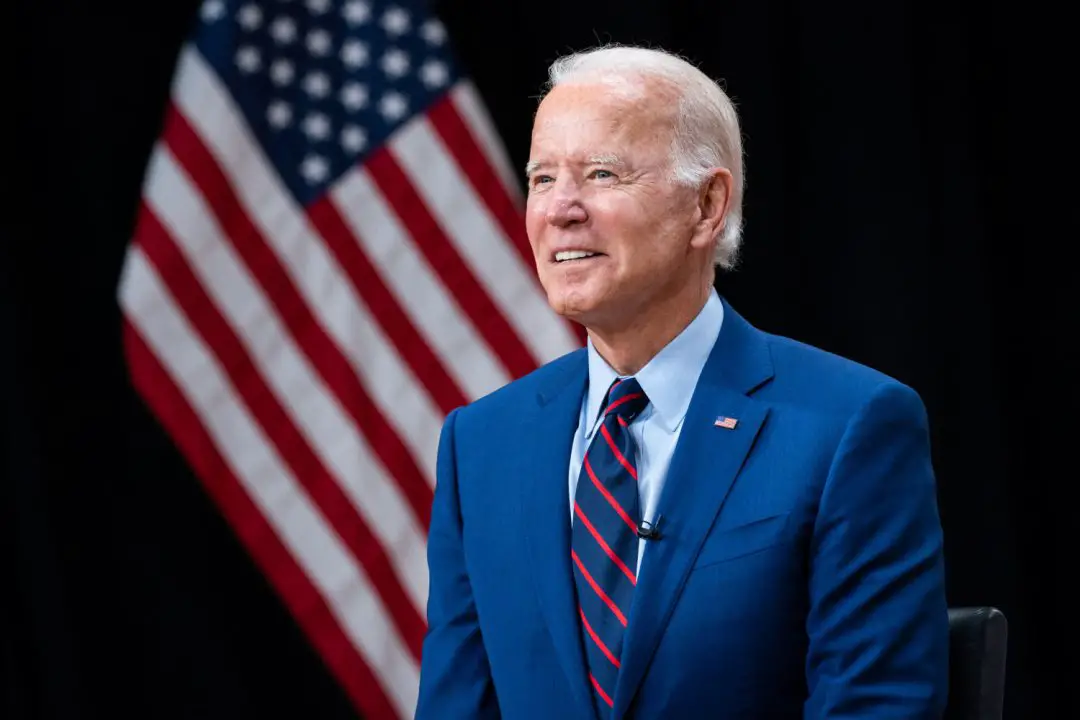
President Biden has introduced a new initiative called the SAVE plan, aimed at providing relief to borrowers burdened by student loan debt. The plan was unveiled alongside Education Secretary Miguel Cardona and other administration officials. The central focus of the SAVE plan is to offer substantial benefits to borrowers, particularly those earning an income around $15 an hour.
Under this new proposal, borrowers earning roughly $15 an hour will be exempt from making any monthly payments. For individuals with higher incomes, the plan is expected to yield significant savings, with projections suggesting they could save over $1,000 annually compared to other existing income-driven repayment options. The overarching goal is to alleviate the financial strain on working families and to prevent loan balances from ballooning due to unpaid interest.
President Biden emphasized the significance of the SAVE plan, stating, “The SAVE plan is another crucial step in President Biden’s tireless endeavor to mend the ailing student loan system, alleviate the weight of student debt on hardworking families, and prioritize the needs of borrowers.” Echoing this sentiment, Education Secretary Cardona highlighted the positive impact that the plan will have on borrowers struggling with student loan repayment.
However, while proponents view the SAVE plan as a major stride towards addressing the student debt crisis, critics raise concerns about the potential financial burden it could place on taxpayers. The Committee for a Responsible Federal Budget has estimated that implementing the new repayment options might come at a cost of at least $276 billion. This fiscal aspect raises pertinent questions about the plan’s long-term feasibility and affordability for taxpayers.
President Biden’s previous efforts to tackle the student debt issue have faced hurdles, including legal challenges and resistance in various arenas. His original expansive proposal for debt relief was struck down by the Supreme Court, and subsequent endeavors also encountered legal obstacles.
Initially projected to carry a price tag of over $400 billion, Biden’s original proposal was scaled down in July to an estimated $39 billion cost to taxpayers. The administration had initially invoked the HEROES Act, a federal statute, to enact the first plan. However, the Supreme Court rejected this approach, emphasizing that the authority to modify statutes and regulations does not grant the power for a complete transformation.
The SAVE plan underscores the ongoing discourse surrounding student loan relief. As the Biden administration seeks to address the complex issue of student debt, the plan’s effectiveness and financial implications remain subjects of ongoing debate and discussion.