
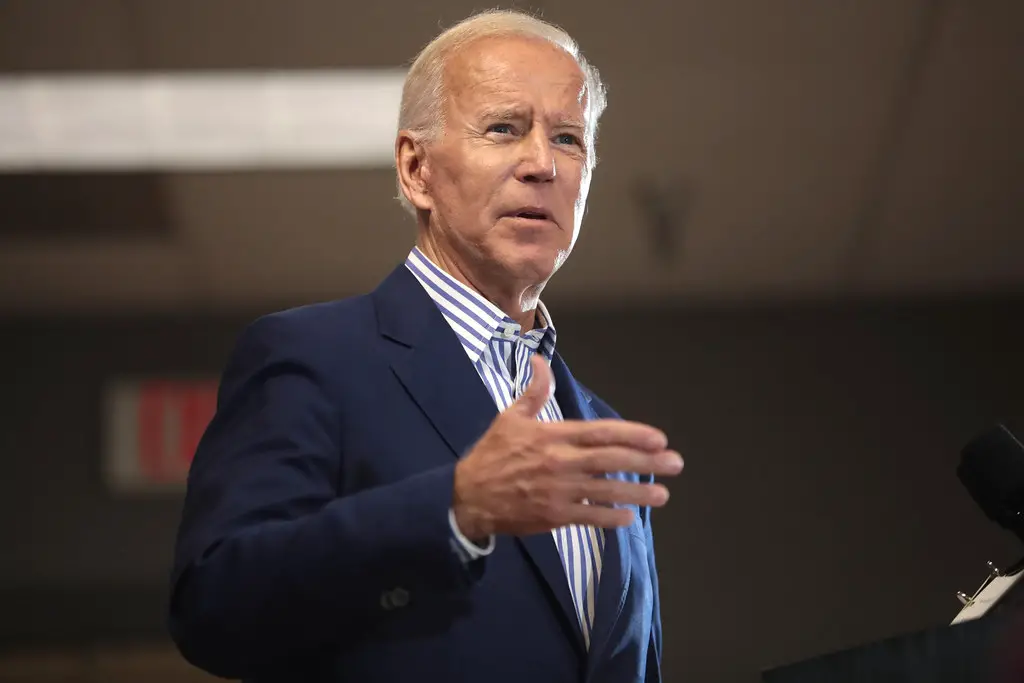
President Joe Biden has spoken out against President-elect Donald Trump’s recent threat to impose new tariffs, describing the move as detrimental to the U.S. economy and international relations. The criticism highlights growing tensions as Trump prepares to return to the White House with plans to revisit aggressive trade policies.
Trump’s proposed tariffs are aimed at addressing trade imbalances and protecting American industries but have drawn pushback from both domestic and international leaders. Biden argued that the strategy risks alienating key allies and sparking retaliatory measures that could harm American consumers and businesses.
During his remarks, Biden emphasized the importance of fostering global partnerships to address shared economic challenges. He suggested that collaborative solutions, rather than unilateral tariffs, would better serve U.S. interests and maintain the country’s leadership on the global stage.
Supporters of Trump’s tariff plan contend that such measures are necessary to prioritize American workers and industries. They argue that previous tariffs under Trump’s administration yielded benefits, including increased domestic manufacturing and reduced dependency on foreign imports.
Critics, however, warn that tariffs often lead to higher costs for consumers and can strain diplomatic ties. Economists have pointed to potential disruptions in supply chains and the risk of escalating trade wars as significant drawbacks of the approach.
As Trump prepares to implement his economic agenda, the debate over tariffs underscores the broader ideological divide between his administration and Biden’s vision for global engagement. The outcome of these policies will likely shape U.S. trade relationships and domestic economic trends in the years to come.