
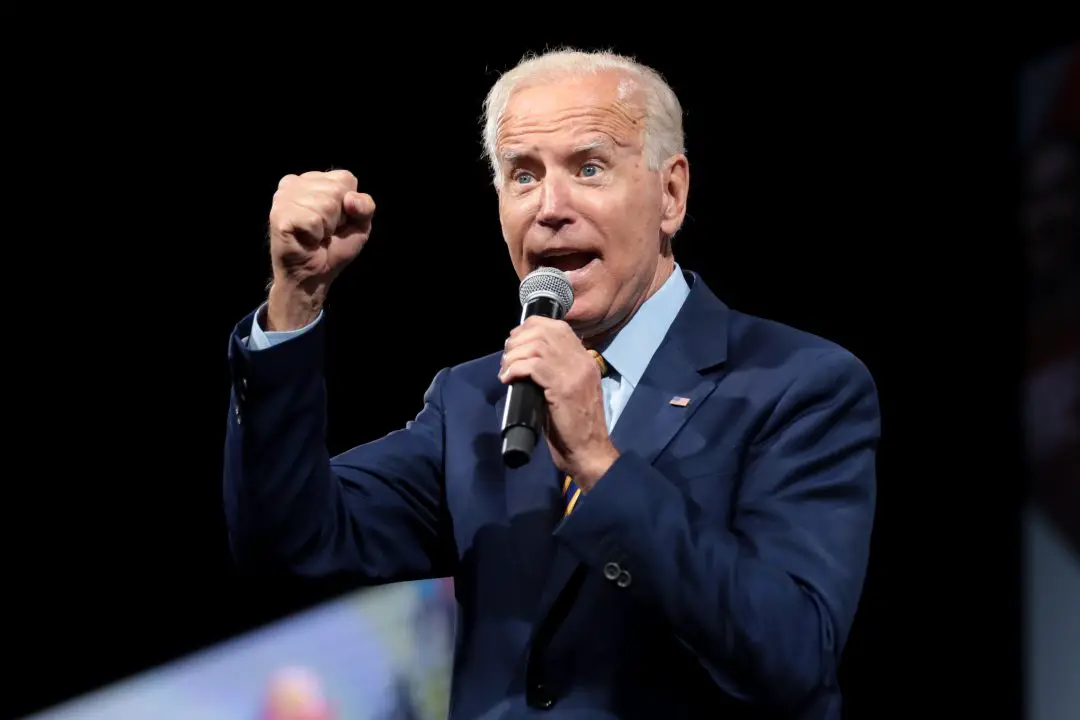
In a recent turn of events, former President Donald Trump has publicly announced his desire for immediate debates against President Joe Biden, a move that has sparked considerable discussion. During an appearance on the Dan Bongino Show, Trump declared his official call for the debates to commence, despite still being in the midst of a primary race against Nikki Haley. This bold proposition comes as Trump continues to lead the Republican primary field, refraining from participating in any of the GOP debates that began in August.
Responding to Trump’s challenge, President Biden, during a campaign stop in Las Vegas, humorously dismissed the former president’s eagerness for a debate, attributing it to Trump having “nothing else to do.” Biden’s light-hearted remark, “If I were him, I would want to debate me too,” encapsulates his view on the situation.
This development unfolds as Nikki Haley, Trump’s primary competitor, has repeatedly urged him to engage in a debate with her, going so far as to launch a website to gather support for this cause. Despite Haley’s efforts and Trump’s absence from the Republican debates, the dynamics within the GOP continue to evolve, with Trump maintaining his position as the frontrunner.
General election debates typically occur in the fall, following the nominating conventions of both parties. The Commission on Presidential Debates has scheduled three debates for the upcoming general election, although the Republican National Committee has expressed dissatisfaction with the commission, suggesting it may not adhere to the established debate schedule.
As the political landscape continues to shift, the conversation around debates and the involvement of leading presidential candidates remains a focal point of interest and speculation. The potential for debates between Biden and Trump, or Trump and Haley, adds another layer of intrigue to the unfolding electoral narrative.