
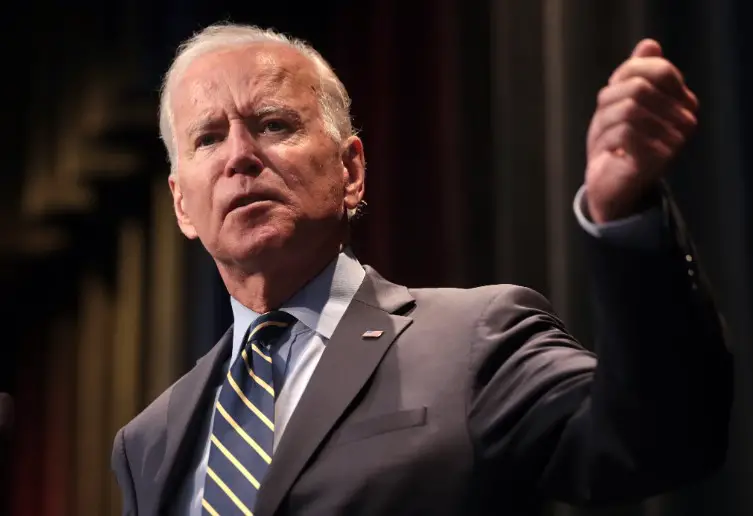
President Joe Biden has ignited public outrage following his decision to commute the prison sentence of a former Pennsylvania judge implicated in the notorious “Kids for Cash” scandal. Critics argue that the move undermines justice for victims of one of the most egregious judicial corruption cases in recent memory.
The judge in question was convicted for accepting millions of dollars in kickbacks from a private juvenile detention center in exchange for issuing harsh sentences to minors, often for minor infractions. The scheme, which came to light over a decade ago, caused widespread trauma among families and led to years of legal battles and public outcry.
In a statement, the White House justified the commutation, citing the individual’s age, health, and completion of a significant portion of their sentence. However, many see the decision as a betrayal of the victims and a troubling precedent for judicial accountability.
Victim advocates and legal experts were quick to condemn the move. “This action sends the wrong message to those who abuse positions of power,” said one advocate. Families affected by the scandal expressed feelings of anger and disbelief, with some calling for greater transparency in the clemency process.
The decision also sparked political criticism, with opponents accusing the administration of prioritizing leniency over justice. Biden’s supporters, however, argue that commutations are a long-standing tradition used to address issues of fairness and rehabilitation.
The case has reopened painful memories for many in Scranton, Biden’s hometown, where the scandal had devastating social impacts. Local leaders have expressed mixed reactions, balancing compassion for the judge’s circumstances with the need to honor the victims’ suffering.
As public debate continues, calls for stricter oversight of clemency decisions have intensified. The controversy highlights the delicate balance between forgiveness and accountability in the justice system.