
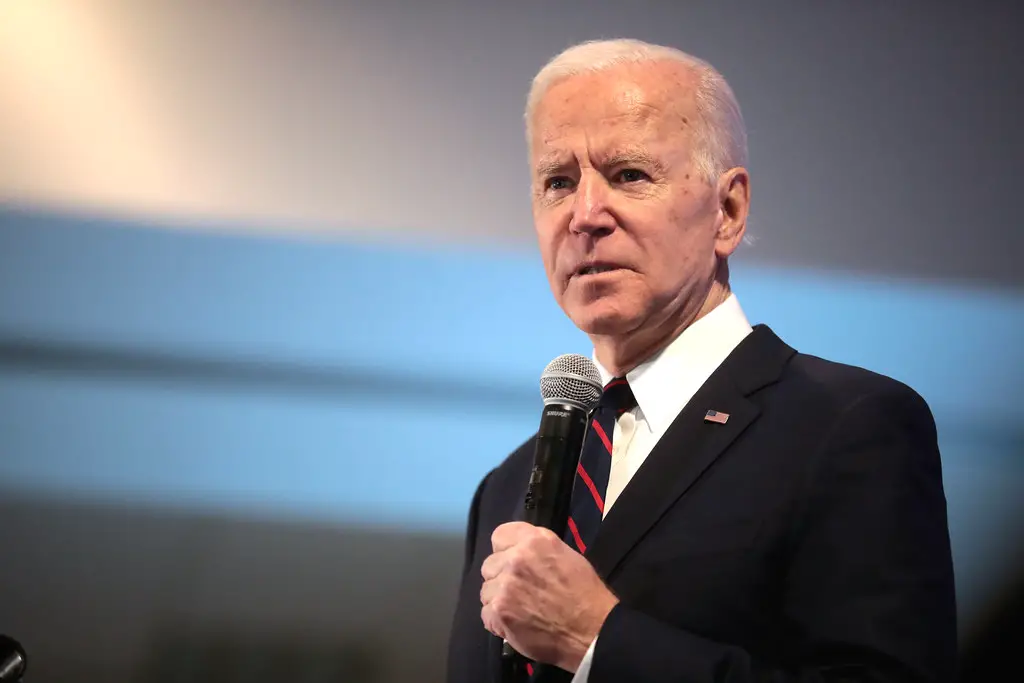
In a notable move during his final days in office, President Joe Biden issued pre-emptive pardons for several high-profile individuals, including Dr. Anthony Fauci and former Representative Liz Cheney, among others. The decision, widely discussed among political observers, appears to shield these figures from potential legal challenges tied to policies and actions undertaken during their careers.
The pardons come amidst heightened political tensions and speculation over investigations that could arise under the incoming administration. Biden’s actions are seen by some as a bid to protect individuals perceived as critical players in his administration or allies in key policy areas. Critics argue the move is unprecedented and raises questions about the boundaries of executive clemency.
Among those pardoned are figures linked to controversial decisions or stances, such as Fauci’s role during the pandemic and Cheney’s outspoken opposition to former President Donald Trump. The list also includes individuals from various sectors, each with significant implications for their fields.
White House officials defended the decision as a safeguard against what they described as potential political retribution. However, opponents decried the move as an overreach, suggesting it could set a contentious precedent. As Biden prepares to leave office, the ramifications of these pardons will likely remain a subject of intense debate.