
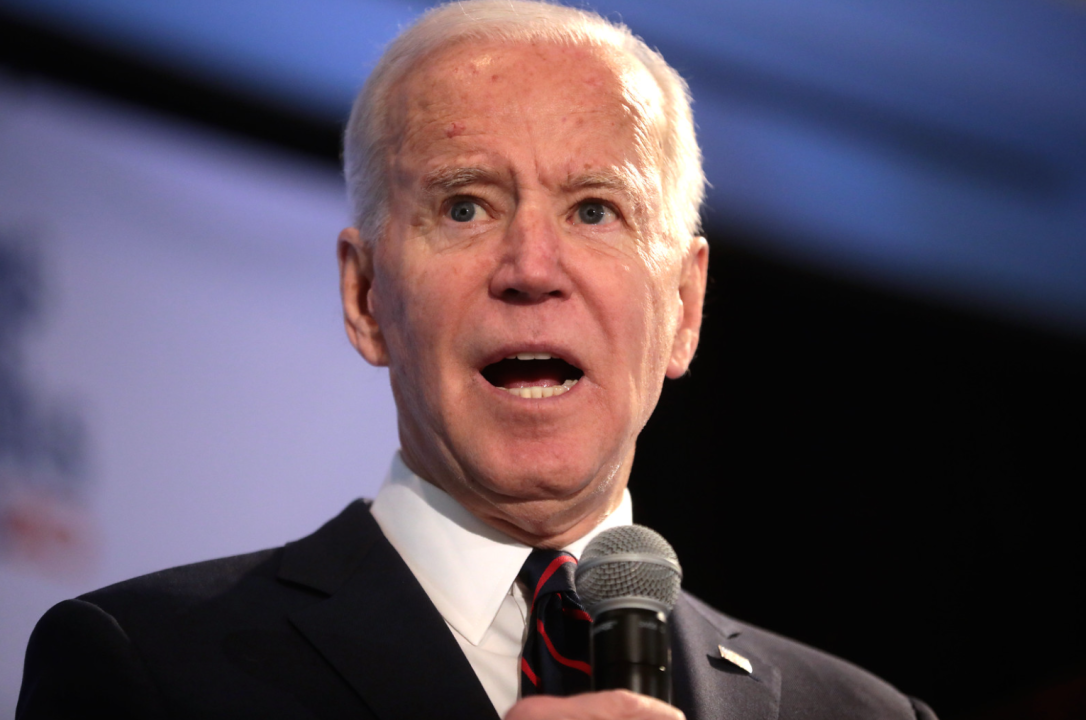
President Joe Biden has announced a significant step in federal student loan forgiveness for borrowers who have received less than $12,000 and have been repaying for over a decade. This initiative, part of the Saving on a Valuable Education (SAVE) plan, aims to alleviate the financial burden for a substantial number of Americans.
Effective from February, this loan forgiveness will cancel the remaining student debt for those who have taken out less than $12,000 in loans and have been in repayment for 10 years. This move comes six months earlier than initially planned and is expected to particularly benefit community college borrowers, low-income borrowers, and those facing repayment challenges.
Biden’s statement emphasized the administration’s commitment to providing relief and support to those struggling with student loan debt, thereby enabling them to move forward with their lives and achieve their aspirations. The plan is expected to assist up to 6.9 million Americans currently enrolled in the SAVE plan, out of 30 million who are eligible.
The SAVE plan offers more favorable terms compared to previous income-driven repayment plans, reducing the cancellation timeline from 20-25 years to as little as 10 years, and also lowering monthly payments for millions of borrowers. For each additional $1,000 borrowed beyond the $12,000 threshold, an extra year of payments is added, with a maximum repayment period capped at 20 years for undergraduate loans and 25 years for graduate loans.
Starting next month, the Education Department will automatically clear the balances for eligible borrowers enrolled in the SAVE plan and will notify those who might be eligible but have not yet enrolled. This decision follows Biden’s announcement last year of a separate plan to cancel up to $20,000 in loans for millions of Americans, which faced legal challenges.
The Biden administration’s initiative reflects an effort to make higher education more accessible and affordable, particularly for community college students, who are now on a faster track to debt forgiveness. This policy aims to counter the trend where borrowers with smaller loan balances often face more difficulties due to not completing their degrees, resulting in debt without the benefit of increased income.
The new repayment plan, however, has faced criticism from Republicans who argue that it benefits wealthier Americans with college degrees at the expense of taxpayers who did not attend college. They perceive it as an indirect attempt to make community college free, a concept Biden campaigned on but failed to garner support in Congress.
Overall, the administration’s move marks a significant step in addressing the student loan crisis, aiming to provide relief to millions of Americans and reshape the landscape of higher education financing.