
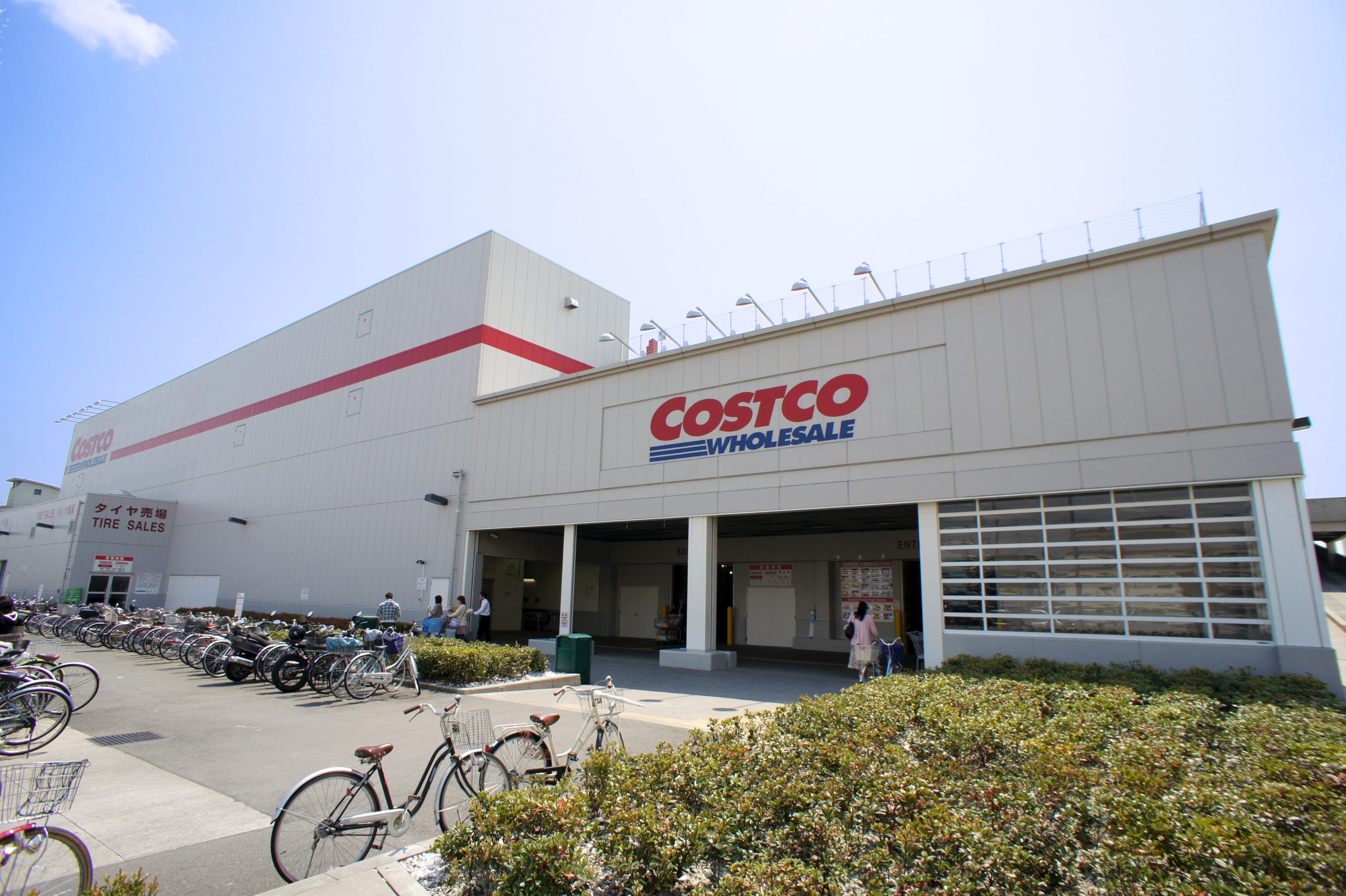
This week, Costco filed a high-stakes lawsuit against the U.S. government, challenging the sweeping import tariffs imposed under President Trump’s emergency-powers directive. The company argues the tariffs are unlawful and is demanding full reimbursement of the duties it has already paid.
Costco — one of the country’s largest retailers and heavily reliant on imported goods — filed the case in the U.S. Court of International Trade, saying customs authorities used a law that does not grant the president power to impose tariffs. The lawsuit seeks to block further tariff enforcement and secure refunds for past payments made under the disputed policy.
Executives for Costco stress urgency: many of their import entries are nearing “liquidation,” after which chances for refunds may be lost even if the tariffs are struck down. As one of the biggest firms to take this step, Costco joins other companies in what could become a major legal and financial reckoning if courts rule against the administration’s tariff authority.
Meanwhile, as the case moves forward, retailers, suppliers and consumers are watching closely. The outcome could force significant changes in trade policy, import pricing, and the broader landscape of global supply — with impacts resonating across the economy.