
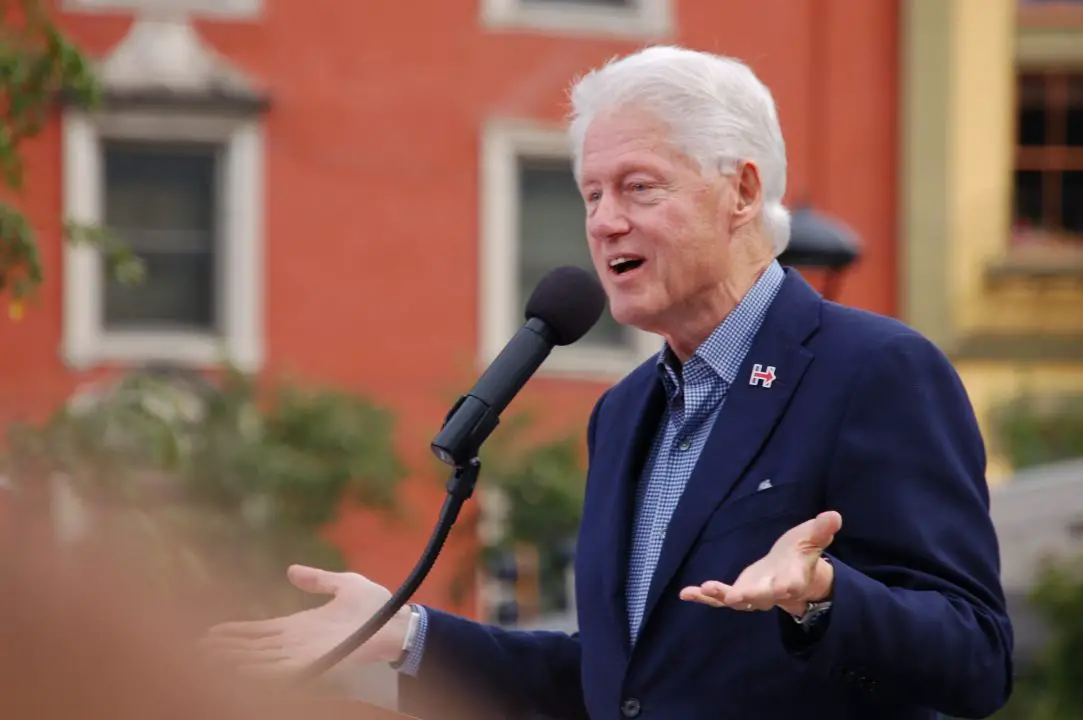
Former President Bill Clinton has reignited discussions surrounding the 2016 presidential election, offering his perspective on why his wife, Hillary Clinton, lost the race to Donald Trump. In a recent candid interview, Clinton suggested that media coverage played a significant role in shaping the election outcome, alleging that it unfairly targeted Hillary while amplifying Trump’s messaging.
Clinton expressed frustration over what he described as disproportionate scrutiny of Hillary’s campaign, particularly regarding the email controversy that dominated headlines during the election season. He argued that this focus overshadowed substantive policy discussions, ultimately influencing public opinion against her candidacy. Clinton also alluded to the media’s treatment of Trump, claiming that his controversial statements and unconventional campaign style received excessive attention, which bolstered his visibility and appeal to certain voter demographics.
The former president stopped short of blaming the media entirely for the loss, acknowledging that there were other factors at play. He pointed to systemic challenges, including voter suppression and the influence of social media misinformation, as additional contributors to the election’s outcome. However, he maintained that the media’s approach created an uneven playing field.
Hillary Clinton’s defeat marked a historic moment, as she was widely expected to become the first female president of the United States. The loss prompted extensive analyses from political experts, who highlighted a range of issues, including campaign strategy, voter turnout, and shifting political dynamics in key swing states.
Bill Clinton’s remarks have sparked renewed debate over the media’s role in modern elections and the broader implications of its influence on democratic processes. Critics argue that while the media has a responsibility to report on critical issues, its coverage can sometimes amplify controversies disproportionately, swaying public perception and potentially altering electoral outcomes.
As political observers continue to reflect on the lessons of 2016, Clinton’s comments underscore the complexities of election dynamics and the interplay between candidates, voters, and media narratives. The discussion also raises questions about how future campaigns might navigate similar challenges in an evolving media landscape.