
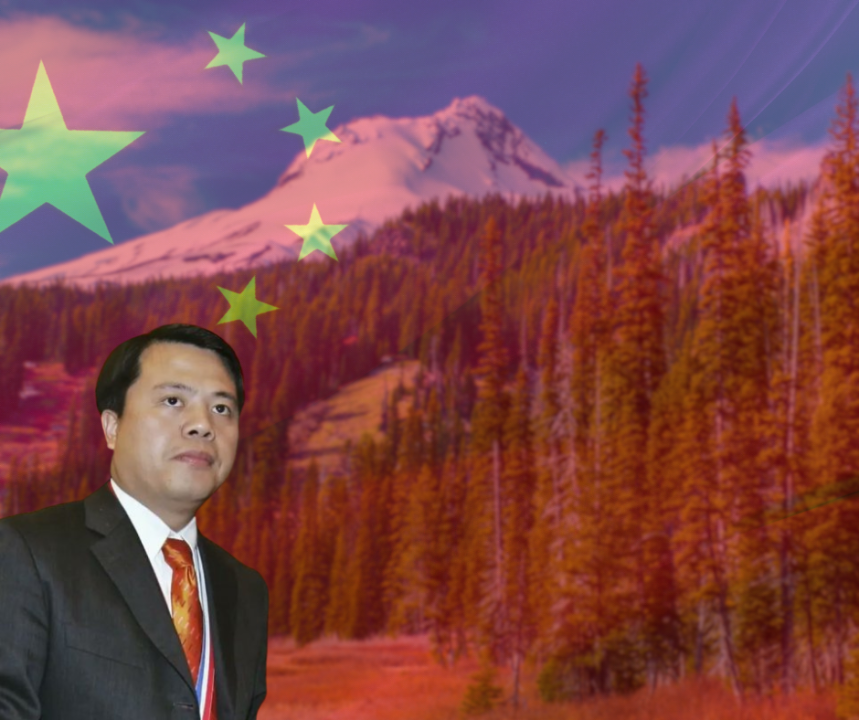
The recent disclosure of Chinese billionaire Chen Tianqiao’s acquisition of nearly 200,000 acres of Oregon farmland has ignited bipartisan concerns among U.S. politicians. Chen, a prominent figure in China’s tech sector and a member of the Chinese Communist Party, purchased the land in 2015 for approximately $85 million, or around $430 per acre. This transaction has made him the second-largest foreign owner of U.S. farmland, yet the details of the purchase remained undisclosed for nearly a decade.
New York Republican Congresswoman Elise Stefanik criticized the Biden administration for its apparent lack of vigilance in monitoring foreign acquisitions of U.S. agricultural land. Stefanik expressed concerns about potential threats to U.S. sovereignty and agriculture industry from foreign purchases, particularly by entities from adversarial nations like China.
Chen Tianqiao, who is also known for his substantial real estate holdings in Manhattan and Los Angeles, joined the Chinese Communist Party at 18 and has since climbed the ranks within the organization. His land ownership in Oregon only surfaced this week when the state revealed one of his companies as the beneficial owner.
Montana Senator Jon Tester, alongside Stefanik and other bipartisan legislators, has called for increased congressional action to safeguard American agricultural security. This reaction follows a letter sent last year to the U.S. Department of Agriculture, urging the agency to be more proactive in overseeing foreign ownership of U.S. farmland.
The revelation of Chen’s land purchase raises questions about the enforcement of the Agricultural Foreign Investment Disclosure Act, which mandates foreign investors to report any new interest in American agricultural land within 90 days of the transaction. The lack of public records regarding Chen’s acquisition has sparked inquiries and demands for transparency.
This development has brought to light broader issues concerning foreign ownership of American land, particularly in strategic sectors like agriculture. The unfolding situation underscores the need for stringent policies and oversight mechanisms to protect national interests and security in the context of global land acquisitions.