
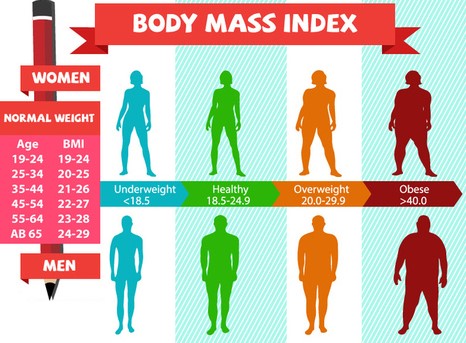
The American Medical Association (AMA) has taken a stand against relying solely on Body Mass Index (BMI) to determine a person’s healthy body weight, citing concerns about its association with racism. In a recent statement on their website, the AMA acknowledged that while BMI has been widely used due to its convenience, affordability, and established thresholds for overweight and obesity, it has also perpetuated exclusion and caused historical harm.
During this month’s AMA Annual Meeting, the House of Delegates adopted a new policy acknowledging the limitations of BMI. The policy recognizes that BMI is based primarily on data from previous generations of non-Hispanic white populations and has been used in racist ways. The AMA’s Council on Science and Public Health presented a report addressing these issues, highlighting additional flaws with the BMI system.
According to the AMA, BMI is an imperfect measure as it fails to directly assess body fat and can be misleading in understanding the impact of body fat mass on mortality rates. Furthermore, the system does not account for variations across sexes, genders, and age groups. The report also notes that BMI is problematic for diagnosing and treating individuals with eating disorders, as it does not encompass the full spectrum of abnormal eating patterns.
The new AMA policy recommends using BMI in conjunction with other assessments such as body composition, waist circumference, and considerations of genetic and metabolic factors. The organization emphasizes the importance of educating physicians about the limitations of BMI and promoting alternative measures for diagnosing obesity.
With over 271,000 members, the AMA is the largest organization of doctors in the United States. The move by the AMA aligns with the growing body positivity and fat positivity movements, which challenge the notion that obese individuals cannot be healthy. These movements aim to combat “diet culture” and advocate for inclusivity and acceptance of diverse body sizes.
While weight gain is often associated with increased fat, medical professionals highlight that weight changes can also result from muscle gain through exercise. This nuance underscores the complexity of assessing health solely based on body weight.
As the conversation around body weight and health continues to evolve, the AMA’s updated stance on BMI reflects a broader recognition of the limitations and potential biases inherent in its use, urging physicians to consider a more comprehensive approach when evaluating patients’ well-being.