
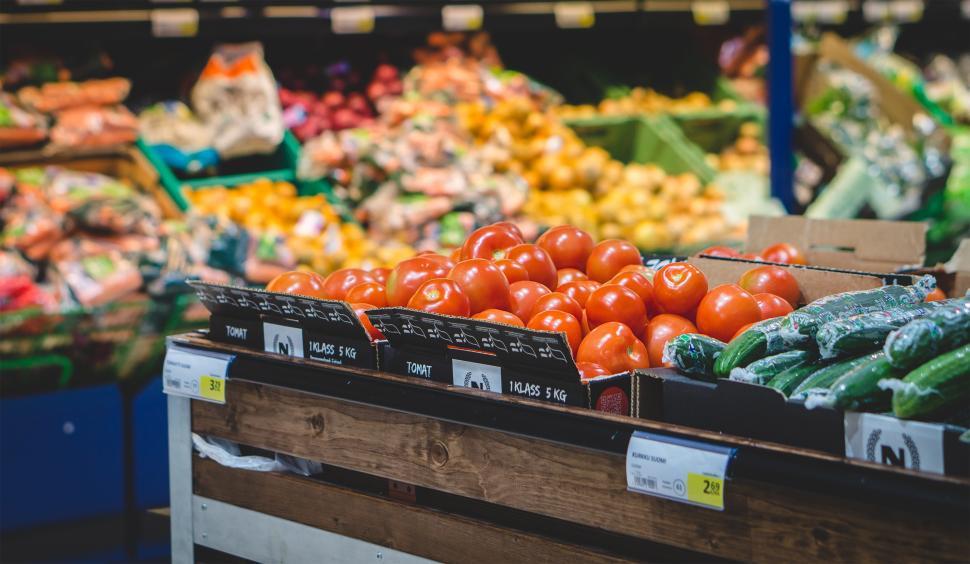
Boston officials are exploring the formation of publicly owned grocery stores as a way to improve access to affordable fresh food in underserved neighborhoods. City Councilors have called for hearings this fall to study whether a municipal model could fill the gap left by private chains pulling back from low-income areas.
The idea comes amid alarming trends in food access in the region: According to recent reports, more than one-third of Massachusetts households are facing food insecurity, and local nonprofit grocers have shut down, citing rising prices and funding shortfalls.
While advocates argue that city-run markets could prioritize community benefit over profit and stabilize pricing, critics caution the model may struggle to compete. Industry experts point to the razor-thin margins in grocery retail and warn that launching government-backed stores could become costly, inefficient, or even undermine local businesses.
Councilors emphasized that the effort is still in its exploratory phase; no funding has yet been allocated, and any plan would likely include input from community organizations, food advocates, and existing grocery operators. The forthcoming hearings will determine whether the city proceeds with pilot stores, partnerships, or alternative strategies to boost food access.