
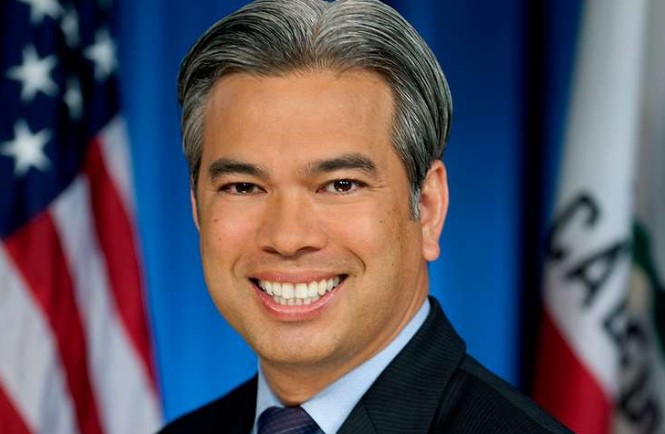
California Attorney General Rob Bonta has taken legal action against the Chino Valley Unified School District by filing a civil rights lawsuit to halt the implementation of a policy that requires schools to inform parents about student gender transitions. The policy, adopted by the district earlier this year, mandates teachers to notify parents within three days if their child uses names and pronouns different from their birth certificate or expresses a desire to use facilities or join sports teams based on their gender identity.
Bonta’s lawsuit argues that the policy, often referred to as a “forced outing policy,” violates the privacy rights of LGBTQ+ students and the California Constitution. The Attorney General’s office contends that the policy endangers the well-being of non-conforming students by potentially subjecting them to unsafe environments both at school and at home.
The Chino Valley Unified School District, representing over 26,000 students in San Bernardino County, has defended the policy as an effort to enhance transparency between schools and parents. School officials have emphasized their commitment to working with the state’s investigation and have stated that they are reviewing the lawsuit and its contents.
Supporters of the policy, including Sonja Shaw, president of the Chino Valley Unified Board of Education, argue that the state’s response is an example of government overreach and interference with parental rights. Shaw expressed concern that the state is attempting to assume that parents are dangerous and criticized what she perceives as an attempt to marginalize parental involvement in their children’s education.
The policy in question has sparked significant controversy in California, where the debate over gender-affirming policies, parental rights, and state-controlled curriculum has gained momentum. Republican Assemblymember Bill Essayli introduced AB 1314, a bill modeled after the Chino Valley Unified School District’s policy, which seeks to require schools to notify parents of any changes in their child’s gender identity or use of pronouns.
While the legal battle between the Attorney General’s office and the school district unfolds, the issue highlights broader tensions surrounding education, gender identity, and parental involvement in California’s school systems. The outcome of this case could have significant implications for the ongoing debate over the roles of schools, parents, and the state in shaping children’s education and well-being.