
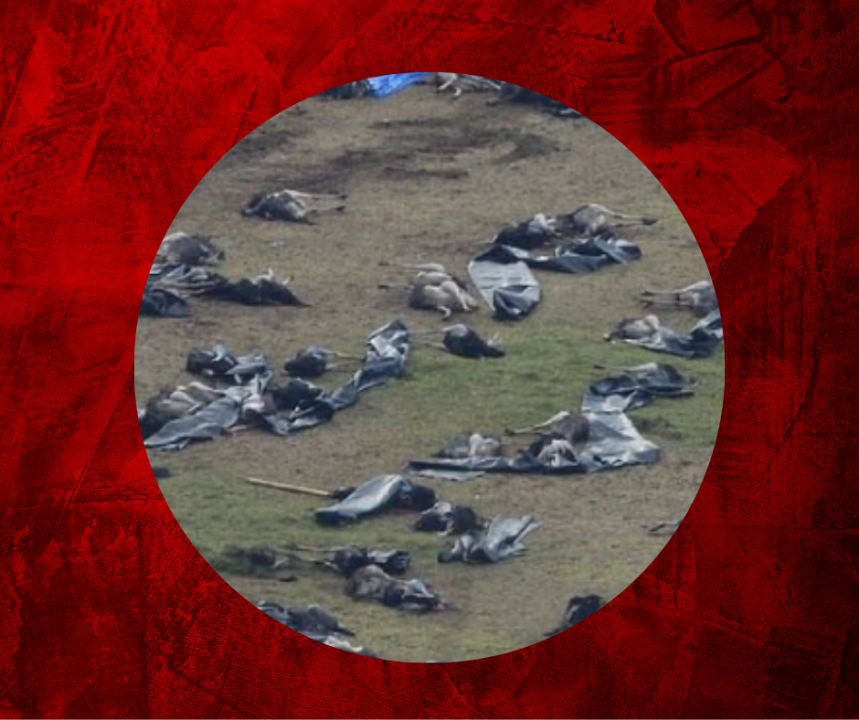
A wave of public outrage has erupted in British Columbia after officials carried out the killing of 314 ostriches at a farm in Edgewood, following a federal order tied to an avian-flu outbreak. The operation, conducted at night after a last-minute legal appeal was rejected, unfolded under the direction of the Canadian Food Inspection Agency.
Witnesses described the scene as chaotic and distressing. The birds were herded into a makeshift enclosure built from hay bales, where marksmen were used to carry out the cull. Critics argue that this method inflicted excessive suffering and fell short of accepted animal-welfare practices, which typically recommend different techniques for euthanizing large flightless birds.
The farm had previously suffered an outbreak earlier in the year, with dozens of ostriches dying from H5N1 avian flu. Officials stated the latest mass cull was necessary to prevent the virus from spreading to other farms and wildlife populations in the region.
Animal-rights groups, livestock specialists and several critics of the government’s handling of the situation say authorities ignored less extreme alternatives, such as retesting the surviving birds or placing the farm under renewed quarantine. The controversy has drawn in an unusual alliance of animal-welfare advocates, anti-mandate activists and conspiracy-minded groups, with each framing the cull as evidence of deeper flaws in how agricultural biosecurity is managed.
The uproar has sparked calls for a formal review of Canada’s response protocols for livestock-disease outbreaks, with many demanding stronger transparency, better oversight and humane standards that balance public-health concerns with animal welfare.