
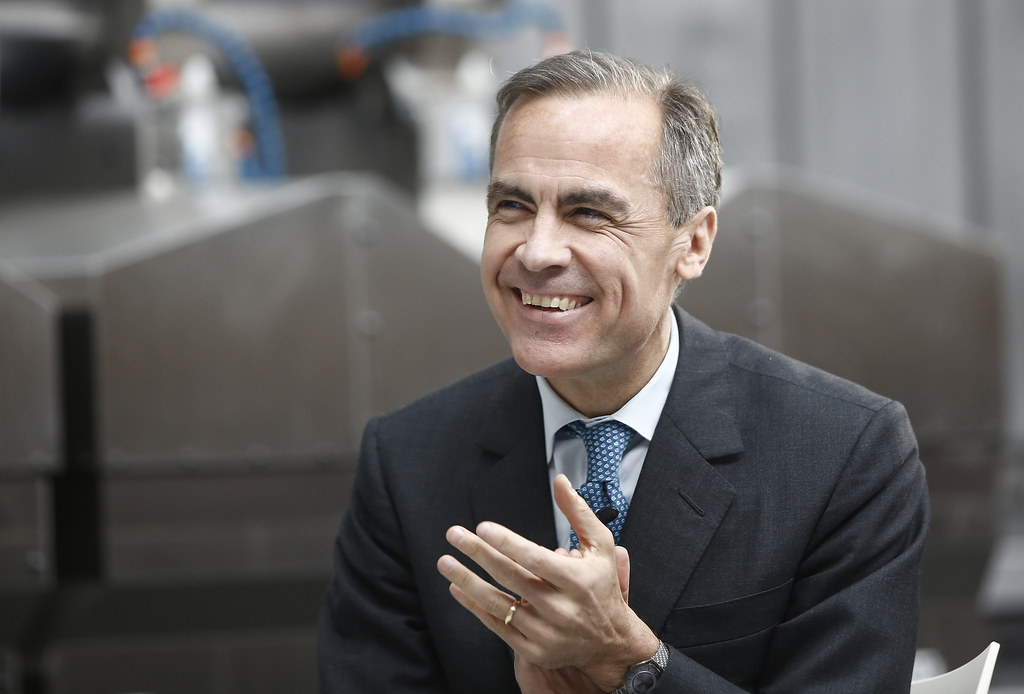
Canadian Prime Minister Mark Carney publicly pushed back against President Donald Trump’s warning that the United States could impose 100% tariffs on Canadian goods if Canada expands its trade engagements with China involving the use of its ports for Chinese shipments.
Carney stood firm that Canada’s trade decisions are guided by its own economic interests and sovereign policy, rejecting the notion that Ottawa would be coerced into aligning its trade infrastructure based on pressure from Washington. He stressed that Canada values its partnership with the United States, even as it pursues broader global commercial relationships.
Trump’s comments came amid ongoing debates in Washington about China’s growing footprint in global supply chains and the strategic implications of allowing Chinese-linked cargo to transit through North American ports. The president indicated that should Canada facilitate significant Chinese commercial access via its shipping facilities, the U.S. could respond with steep tariffs on Canadian exports as a means to protect American industries.
Carney maintained that while Canada and the U.S. are close trading partners with deeply integrated economies, Ottawa must also consider its own trade diversification and national economic interests. His remarks reflect broader diplomatic and economic tensions between the two neighbors as they navigate competitive pressures and balance relations with major global markets.
The exchange underscores continuing trade policy disagreements between the governments in Ottawa and Washington, especially on how to manage commercial ties with China without undermining North American economic cooperation. Carney’s response aimed to defuse the tariff threat while reaffirming Canada’s commitment to its own trade agenda.