
In a noteworthy development within the U.S. House of Representatives, a significant number of lawmakers, including members from both major political parties, collectively voted against a proposed motion aiming to formally denounce Rep. Rashida Tlaib, a noted progressive figure representing Michigan as a Democrat.
The voting session, which took place on Wednesday evening, concluded with a final tally of 222 against 186, effectively dismissing the censure resolution without necessitating further debate on the matter. This outcome was met with a spontaneous round of applause from the Democratic side of the aisle, illustrating the party’s unity in this particular instance.
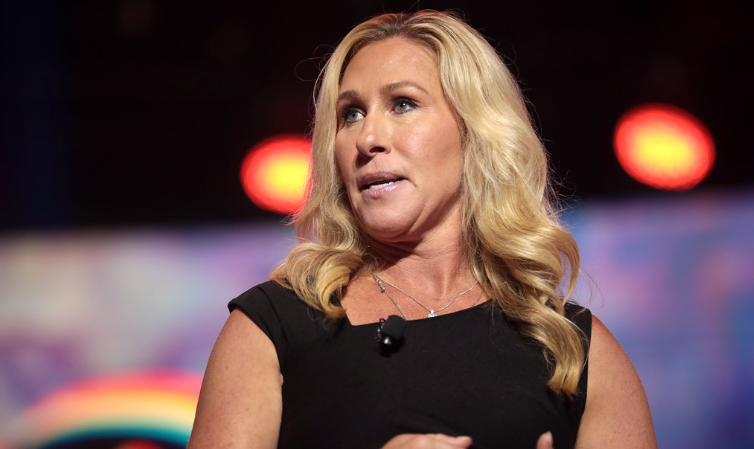
The origin of the censure motion can be traced back to accusations leveled against Rep. Tlaib by Rep. Marjorie Taylor Greene. Greene held Tlaib responsible for a significant protest that unfolded last month, resulting in the arrest of numerous demonstrators advocating for a cease-fire in Gaza. The protesters had occupied the Cannon House Office Building, an action that Greene emphatically labeled as an “insurrection” within the text of her censure resolution.
Following the vote, Greene expressed her frustration, particularly towards the 23 Republican representatives who chose to side with the motion to dismiss her resolution, describing them as “feckless.” She vented her thoughts on X (formerly known as Twitter), accusing her fellow Republicans of failing to stand up against what she perceives as the Democratic party’s radical agenda.
Among the Republicans who voted against the censure were diverse figures ranging from House Freedom Caucus Policy Chairman Chip Roy of Texas and other conservatives, to more moderate members like Rep. John Duarte of California. Roy, while criticizing Tlaib’s previous statements regarding Israel and the Jewish community, highlighted flaws in Greene’s resolution, pointing out unverified claims and the misuse of the term “insurrection.”
Rep. Tim Walberg from Michigan, another Republican who opposed the censure, framed his decision as a stance in support of free speech rights, albeit while disapproving of Tlaib’s rhetoric. He emphasized the importance of individual responsibility in countering harmful narratives, rather than seeking governmental intervention.
This collective decision by the House of Representatives not only quelled the immediate attempt to censure Rep. Tlaib but also underscored the complex dynamics at play within the current political landscape, highlighting the willingness of some lawmakers to cross party lines in defense of foundational democratic principles.