
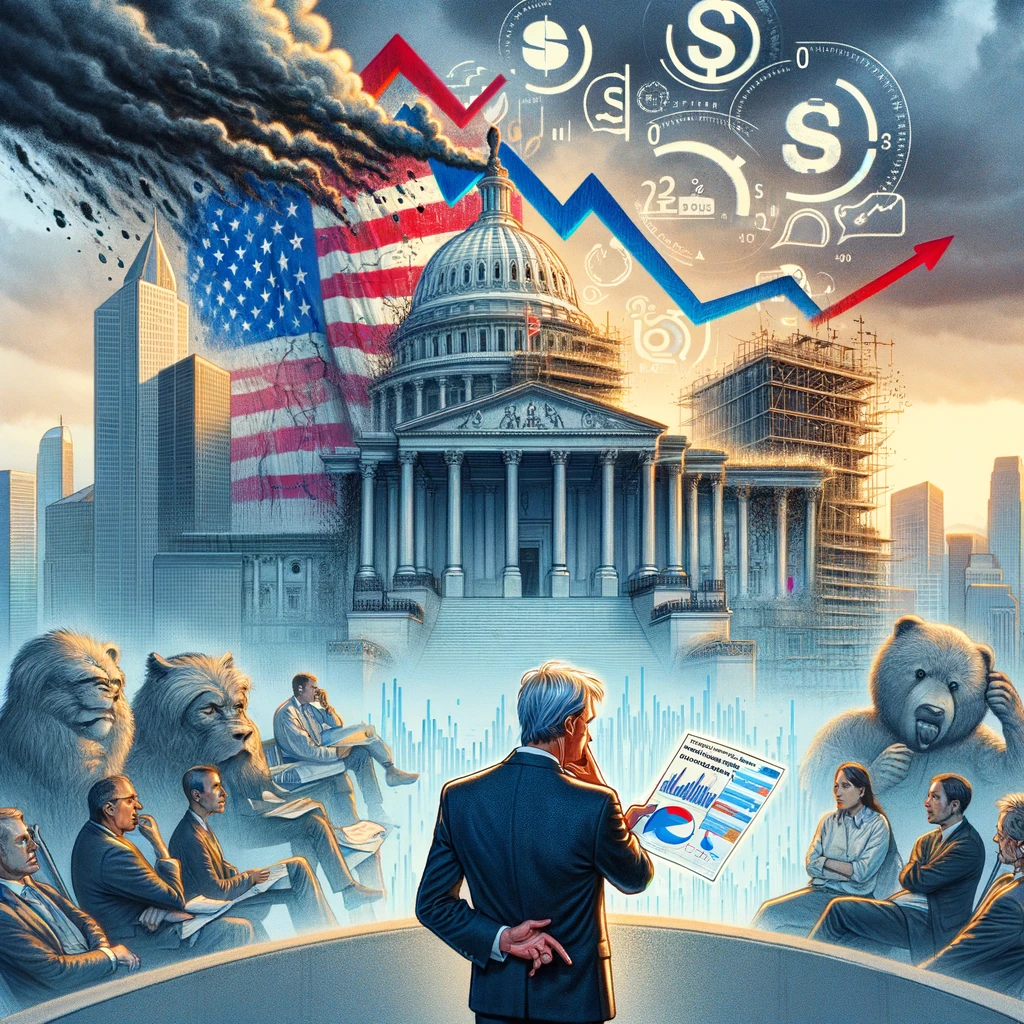
A new regulation proposed by the Environmental Protection Agency (EPA) under President Joe Biden’s administration has sparked concern among industry leaders, with a prominent figure in the manufacturing sector warning that it could lead to the loss of up to 1 million jobs. This regulation, aimed at reducing environmental pollution, is part of the broader efforts by the Biden administration to address climate change and promote sustainability. However, its potential impact on the economy and employment has become a contentious issue.
The manufacturing leader’s warning highlights the tension between environmental initiatives and economic considerations, particularly in sectors heavily reliant on processes that may be affected by stricter pollution controls. The concern is that the implementation of these new EPA regulations could force industries to alter their operations significantly, incur higher costs, or even shut down, resulting in substantial job losses.
This development has ignited a debate on finding the right balance between advancing environmental goals and safeguarding economic interests, especially in communities dependent on manufacturing and related industries. Critics of the regulation argue for a more nuanced approach that considers the economic ramifications, while proponents emphasize the urgent need to address environmental challenges.
The conversation around the new EPA regulation reflects broader discussions on the transition to a more sustainable economy and the role of government policy in driving environmental progress without adversely impacting economic growth and employment. As the Biden administration continues to roll out its environmental agenda, the dialogue between industry stakeholders, policymakers, and environmental advocates is expected to intensify, focusing on achieving both ecological sustainability and economic vitality.