
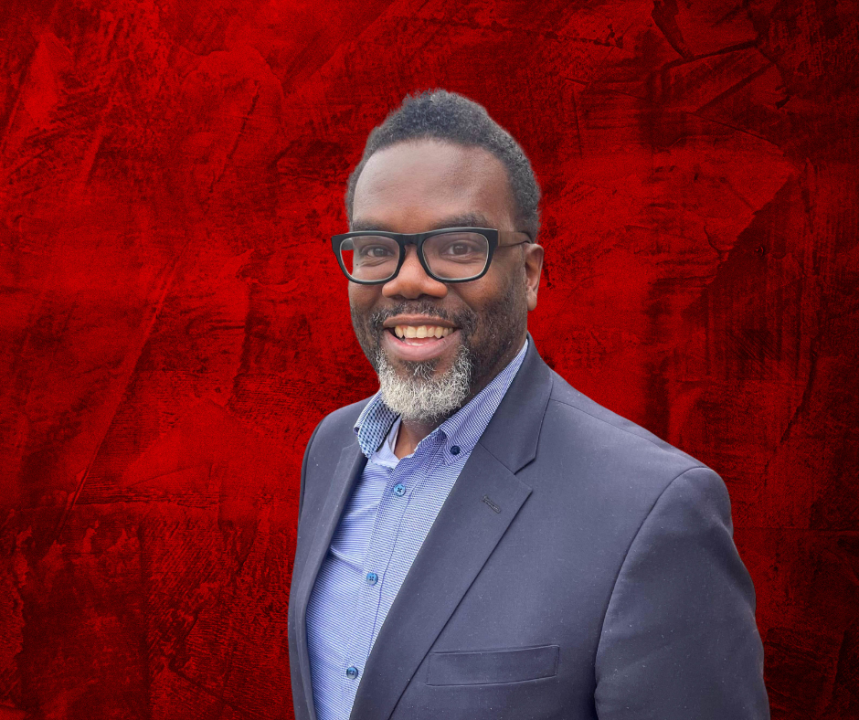
Chicago residents are voicing strong criticism against Mayor Brandon Johnson over the city’s allocation of funds toward migrant assistance programs, with many arguing that the spending comes at the expense of addressing pressing local issues. The backlash highlights a growing divide between city leadership and community members over resource allocation and priorities.
The criticism stems from the city’s significant financial commitment to shelter and support an influx of migrants arriving in Chicago. While the mayor has framed the spending as a necessary humanitarian response, many residents have expressed frustration, citing unmet needs in neighborhoods struggling with crime, homelessness, and economic challenges.
During a heated town hall meeting, residents from various parts of the city accused the administration of prioritizing migrant programs over long-standing community concerns. Some attendees called Mayor Johnson the “worst mayor in America,” arguing that his approach fails to address the needs of Chicago’s most vulnerable residents.
Local activists and community leaders have echoed these sentiments, urging the city to reconsider its budget priorities. They point to rising crime rates, struggling schools, and inadequate housing resources as areas requiring immediate attention. Critics argue that while assisting migrants is important, it should not overshadow the city’s responsibility to its current residents.
The mayor’s office defended its actions, emphasizing the city’s commitment to being a welcoming place for all and highlighting the federal government’s role in addressing the broader migrant crisis. Officials have also pointed to plans aimed at balancing migrant support with investments in underserved communities.
Despite these assurances, the debate has underscored the challenges facing urban centers grappling with a surge in migrants while managing their own economic and social struggles. For many Chicagoans, the issue has become emblematic of a larger conversation about how city leaders allocate limited resources in the face of competing demands.
As tensions continue to rise, the Johnson administration faces mounting pressure to find a solution that addresses residents’ concerns while maintaining the city’s values of inclusivity and compassion. How the mayor navigates this contentious issue could have lasting implications for his administration and the broader political climate in Chicago.