
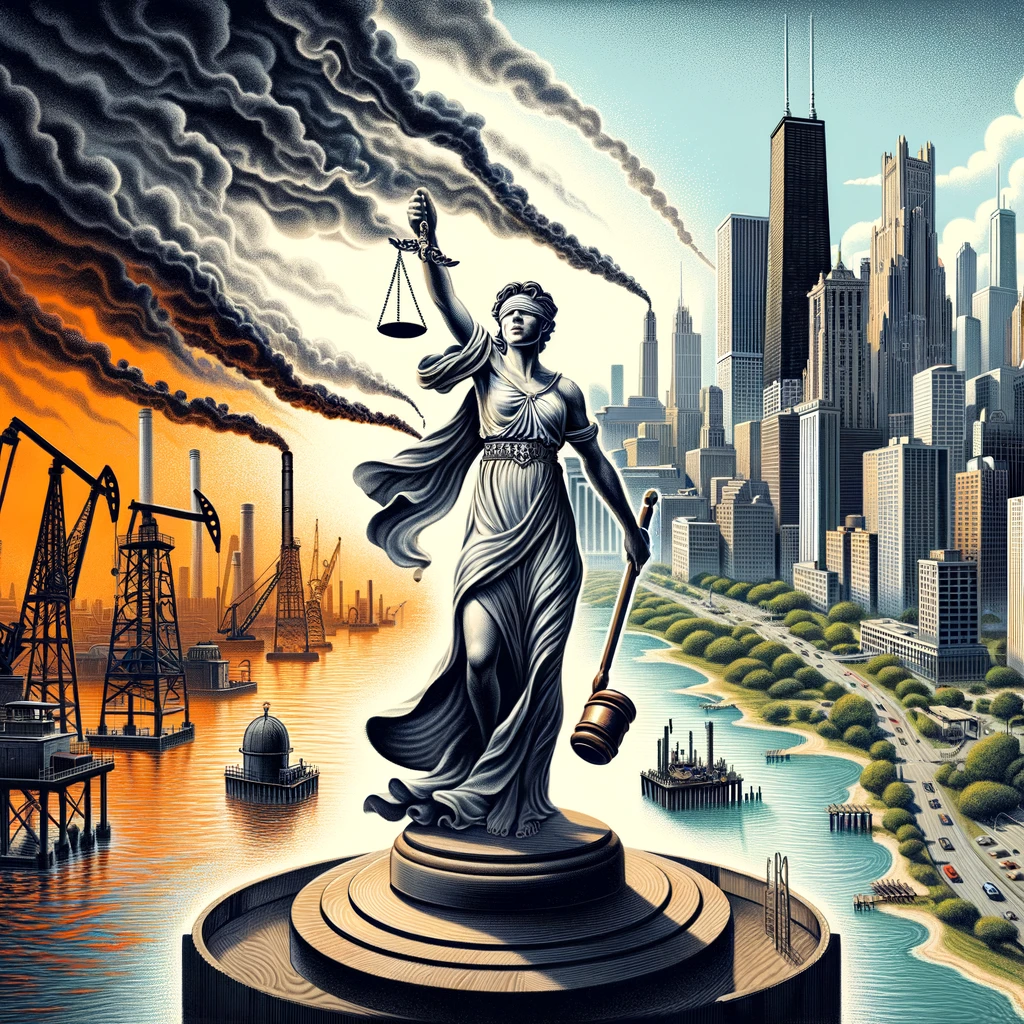
The city of Chicago has initiated legal action against several major oil companies, accusing them of contributing significantly to climate change. This lawsuit points to the devastating 1995 heat wave as a key example of the extreme weather events exacerbated by global warming, for which the city holds these corporations accountable. Chicago’s legal move underscores the growing trend of municipalities seeking reparations for environmental damages and the costs associated with climate change mitigation and adaptation efforts.
By targeting oil companies, Chicago is challenging some of the world’s largest fossil fuel producers on their role in emitting greenhouse gases, which scientists have linked to global warming and climate change. The lawsuit aims to hold these corporations responsible for their part in creating and exacerbating environmental conditions that lead to severe weather events, such as the 1995 heat wave that had profound human and economic costs for the city.
This legal action by Chicago is part of a broader effort to address the impacts of climate change at the municipal level. Cities around the globe are increasingly facing the direct consequences of rising temperatures, including more frequent and severe heatwaves, storms, and flooding. By seeking accountability through the legal system, Chicago is highlighting the need for major polluters to contribute to the costs of adapting to these changes and mitigating future risks.
The lawsuit also reflects the growing recognition of the legal and moral responsibilities of corporations in the era of climate change. As communities bear the brunt of environmental degradation, there is a mounting call for those who have profited from activities contributing to global warming to play a significant role in addressing its impacts.
As the case progresses, it will likely become a focal point in the ongoing debate over climate responsibility and the role of legal systems in enforcing it. Chicago’s action against oil companies sets a precedent for how cities can confront the challenges of climate change, seeking not only justice but also a path forward in building resilience against future environmental threats.