
Chicago endured a harrowing Labor Day weekend marked by rapid-fire gun violence, with at least 54 people shot—including seven fatalities—across multiple neighborhoods such as South Shore, East Garfield Park, and Bronzeville. The violence triggered renewed debate over national security interventions and local autonomy.
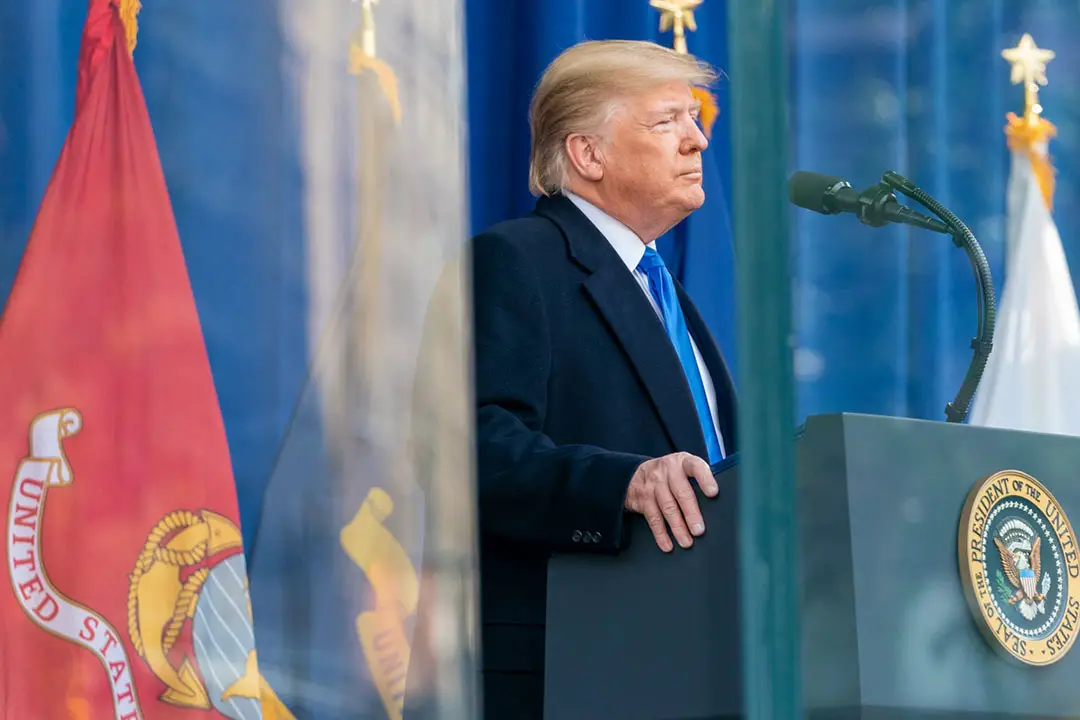
President Trump responded by reiterating plans to send federal forces, potentially including the National Guard, to Chicago—drawing inspiration from similar deployments in other cities where he claims violent crime dropped significantly. In contrast, local officials maintain that Chicago has effective community-centered strategies in place.
Governor J.B. Pritzker and Mayor Brandon Johnson dismissed the federal approach as unconstitutional, warning it would further inflame tensions and override local governance.
Meanwhile, community advocates pushed back, staging mass protests. Tens of thousands rallied downtown, rejecting federal intervention and calling for home-grown solutions rooted in social services and grassroots policing. The charged weekend underscored Chicago’s complex crossroad—caught between urgent calls for safety and high-stakes federal politics.