
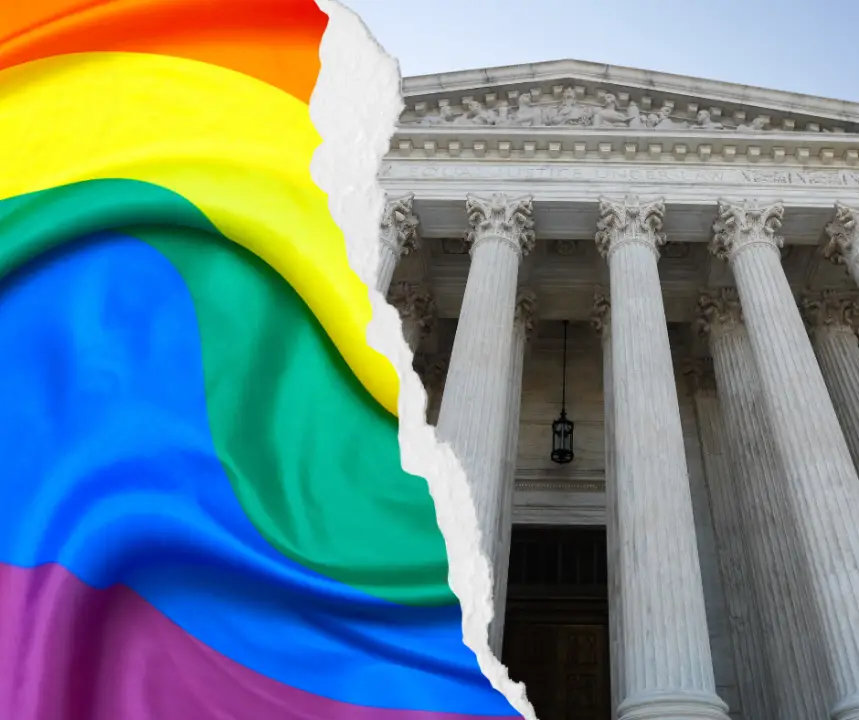
In Indiana, a case involving the removal of a child from their parents’ home due to disagreements over gender identity has escalated to the Supreme Court. Mary and Jeremy Cox, a devout Catholic couple, are seeking justice after their refusal to acknowledge their son’s chosen name and pronouns, citing their religious beliefs, led to state intervention.
The Cox family’s ordeal began when their son, adhering to their Catholic faith, which posits that one’s sex is immutable and divinely ordained, disclosed his identification as female. This revelation prompted the parents to seek therapeutic care to address what they perceived as underlying mental health issues, including an eating disorder.
However, in 2021, the situation took a dramatic turn when Indiana authorities initiated an investigation into the Coxes for not recognizing their child’s gender identity as he preferred. The investigation resulted in the teen being placed in a “gender-affirming” foster care, despite the state’s eventual acknowledgment that accusations of abuse were unsubstantiated. The Coxes contend that their child’s condition deteriorated further after being removed from their care.
The case has raised significant concerns about parental rights, religious freedom, and the state’s role in mediating disputes over gender identity. Lori Windham, representing the Cox family through the religious liberty law firm Becket, emphasized the distressing nature of the case, arguing that no family should endure such an ordeal over ideological differences.
The Indiana Department of Child Services has refrained from commenting on the ongoing litigation. Meanwhile, the Coxes hope their appeal to the Supreme Court will not only vindicate their rights but also safeguard other families from similar interventions. The legal proceedings have highlighted the contentious intersection of gender identity, parental authority, and religious conviction, sparking a nationwide conversation on these critical issues.
As the Cox family awaits a decision from the Supreme Court, their case serves as a poignant reminder of the complex challenges at the heart of contemporary debates on gender, faith, and the state’s role in personal and familial matters.