
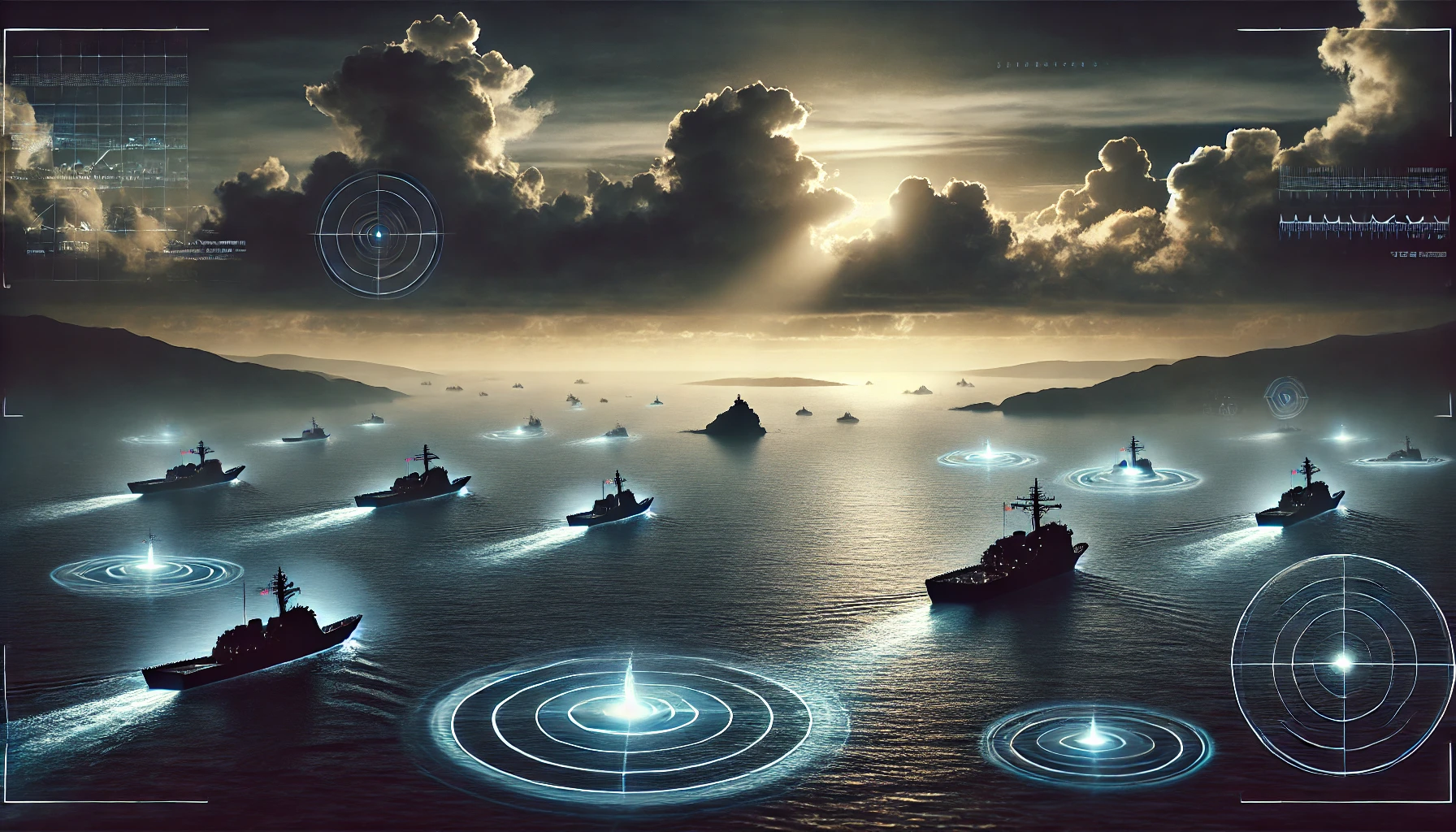
China significantly increased military pressure around Taiwan in late 2025, heightening regional tensions and drawing a firm response from the United States and its allies.
In December, China’s People’s Liberation Army carried out large-scale military drills around Taiwan that included naval maneuvers, air operations, and exercises simulating control of key maritime routes. The operations involved warships, military aircraft, and missile forces operating close to Taiwan’s surrounding waters and airspace. Chinese officials described the drills as a warning against what they called separatist activity and foreign interference.
Taiwan responded by raising its defense readiness and reaffirming its commitment to protect its democratic system and territorial security. Government and military leaders emphasized the importance of preparedness as Chinese military activity near the island has become more frequent and more complex.
U.S. officials criticized Beijing’s actions, warning that increased military pressure risks destabilizing the Taiwan Strait. Washington reiterated its position that disputes should be addressed peacefully and underscored its ongoing security commitments in the region.
The escalation followed recent U.S. approvals of arms sales to Taiwan, which China strongly opposed. In response, Beijing announced sanctions targeting American defense companies and individuals connected to those transactions, further straining relations between the two powers.
Developments around Taiwan have drawn close attention from regional governments, particularly in East Asia, where stability in the Taiwan Strait is viewed as critical to broader economic and security interests. As 2026 begins, diplomatic engagement continues alongside heightened military vigilance, with tensions over Taiwan remaining one of the most sensitive flashpoints in global geopolitics.