
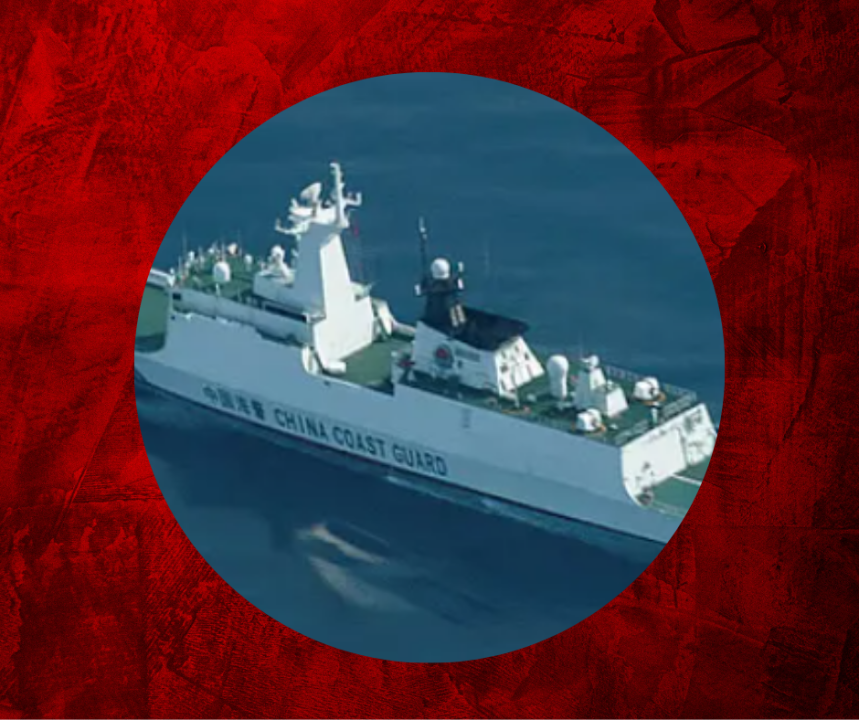
A new strategy outlined by analysts warns that Taiwan’s heavy dependence on imported energy gives China a potent lever to target the island without launching a full-scale military invasion. Rather than deploying missiles, Beijing could use what experts call a “gray-zone” campaign: a slow strangulation of Taiwan’s fuel and electricity supplies via paperwork, cyberattacks, inspections and patrols.
The scenario described in the report shows China using administrative hurdles and digital warfare to sever Taiwan’s access to liquefied natural gas and coal at critical gateway terminals. Because Taiwan imports nearly all of its energy—approximately half of its supply from LNG and around 30% from coal—the nation holds only weeks of reserves. If those were cut off, power generation could collapse, crippling Taiwan’s manufacturing.
That threat carries far-reaching implications. Taiwan produces the majority of the world’s most advanced semiconductor chips—vital components for global electronics, automotive, and defense industries. A prolonged blackout on the island would ripple across global supply chains, potentially derailing U.S. tech production and markets almost immediately.
The report also flags that China’s campaign would include propaganda and covert digital operations aimed at sowing panic and distrust: rumors of blackouts, fuel hoarding and government weakness would be spread to erode Taiwan’s public morale and undermine multinational confidence. Meanwhile, Chinese patrol ships and aircraft would operate in contested maritime zones as a form of pressure camouflage.
Experts emphasize that this strategy—denying Taiwan power rather than launching bombs—could yield a sudden shock to the global economy before outsiders even realize a full crisis is underway. They warn the U.S. must accelerate efforts to boost energy exports to Taiwan, bolster allied naval escorts and diversify semiconductor supply to prepare for such an eventuality.