
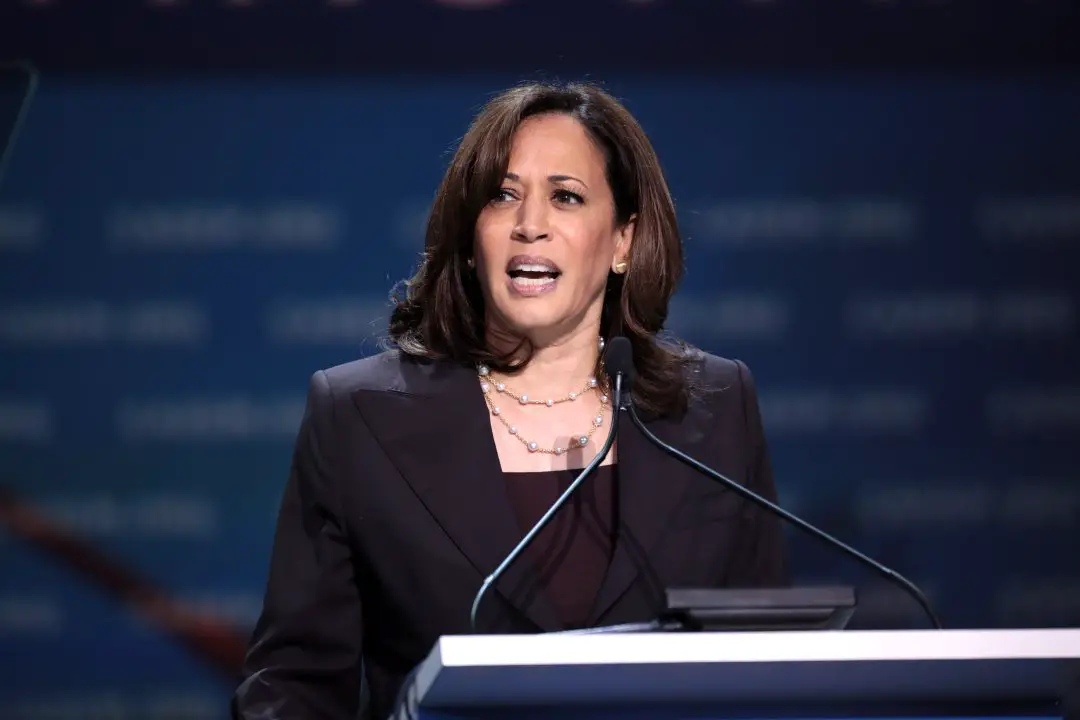
In the final weeks of her presidential campaign, Vice President Kamala Harris reportedly spent $2.6 million on private jet travel, raising questions about financial management and campaign strategy. According to recent reports, the significant expenditure on air travel occurred as the campaign worked to maintain its visibility and connect with voters across key battleground states.
The decision to rely heavily on private jets has drawn scrutiny, with critics pointing out the contrast between the campaign’s messaging on environmental concerns and the carbon emissions associated with such travel. This revelation has also sparked broader conversations about the allocation of resources in a campaign that ultimately faced a challenging outcome.
Harris’s campaign faced numerous obstacles in the final stretch, including intense competition and shifting voter sentiments. The hefty travel expenses are now being examined as part of a broader analysis of campaign spending and strategy. Supporters argue that the use of private jets allowed Harris to maximize her time and outreach efforts, while detractors suggest that the funds could have been allocated more effectively.
As post-election analysis continues, the campaign’s spending decisions, including the reliance on private jets, are likely to remain a topic of debate among political observers and party strategists.