
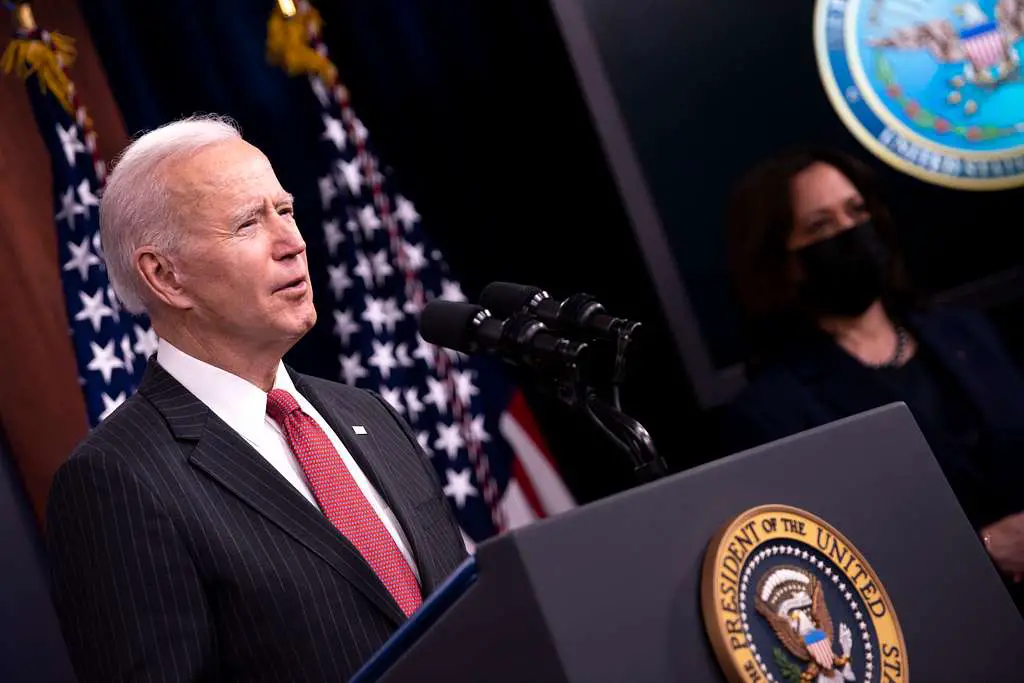
A CNN reporter recently speculated on how history might view President Joe Biden, suggesting that his legacy could primarily be defined in relation to Donald Trump’s presidency. The remarks, made during a panel discussion, highlighted the ongoing influence of Trump’s tenure on the political narrative surrounding Biden’s time in office
The reporter suggested that Biden may be remembered more for his role as a contrast to Trump rather than for specific policy achievements. “He could be seen as the president who followed Trump, setting the tone for a post-Trump era,” the reporter remarked, emphasizing how Biden’s presidency has been shaped by efforts to move away from Trump-era policies and rhetoric.
Critics of the comment argued that framing Biden’s legacy around Trump oversimplifies his administration’s efforts and undermines his policy accomplishments. “This reduces a sitting president’s impact to a reactionary role, which isn’t fair,” one analyst stated.
Supporters of the observation, however, argue that the political landscape during Biden’s presidency has been dominated by comparisons to his predecessor, from his handling of the pandemic to his approach to foreign relations and domestic policy. “Trump set the stage for many of the challenges Biden has faced, making it difficult to separate the two legacies,” said another commentator.
The discussion reflects broader debates over how presidents are evaluated historically and whether their legacies are defined more by their individual accomplishments or their context within a broader political timeline. For Biden, whose administration has faced both successes and setbacks, the framing of his legacy remains a contentious topic.
As Biden continues to navigate his term, the question of how history will remember him—either as a transformative leader or as the figure who followed Trump—underscores the complexities of presidential legacies in a polarized political era.