
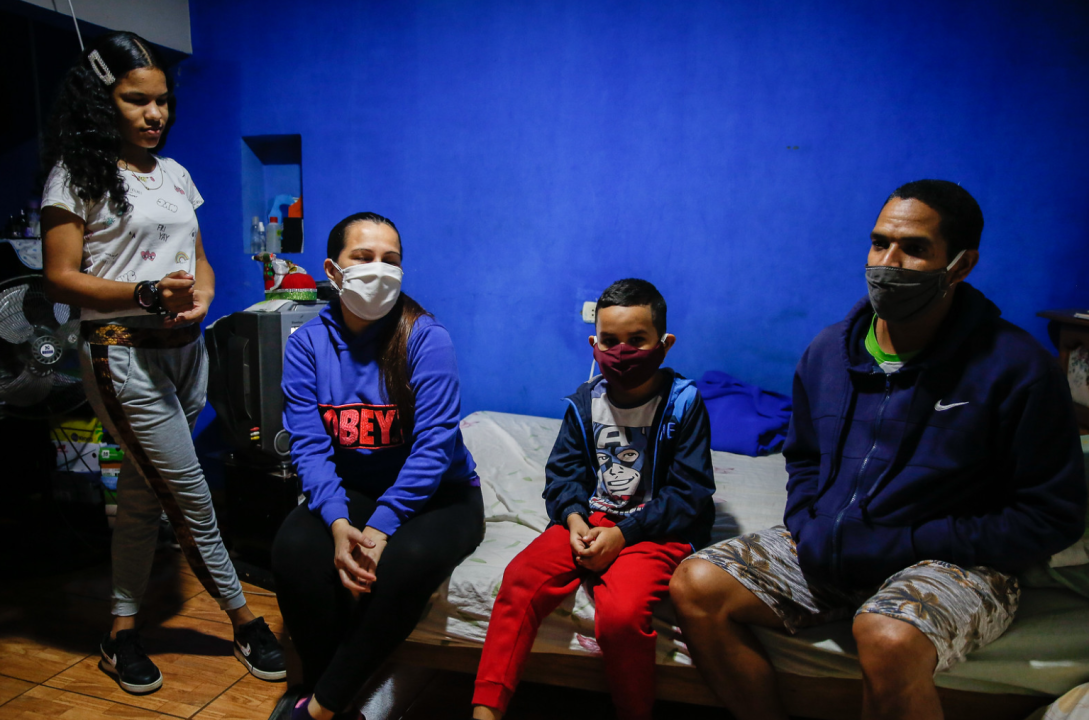
Some Venezuelan migrants in Chicago are considering going back to their native country as they face the harsh reality of homelessness and a lack of finances. Michael Castejon, who moved to Chicago with his wife and stepdaughter in pursuit of better opportunities, wrote about their experiences for the Chicago Tribune.
Castejon said that after living in Chicago for a while, they were homeless, had trouble finding work, and had trouble getting an education. The family made the tough decision to request tickets back to Venezuela in early November, expressing disappointment with the “American Dream.”
It’s too late for the American Dream. Castejon said, “There’s nothing here for us.”
His views are shared by a growing number of Venezuelan refugees in Chicago who are trying to find shelter from the upcoming cold. The report draws attention to the strain on local resources, as refugees face unforeseen difficulties and the planned asylum process is not in place.
Some of the migrants have come out to say they feel they were mislead into thinking they could get asylum and even work permits swiftly. Others recognized that the massive flood of illegal immigrants was likely to blame for the depletion of resources.
We had no idea it would be this challenging. “I was under the impression it would go more quickly,” Castejon moaned.
City officials stated that Chicago had welcomed over 19,000 migrants since August 2022, leading to the strain on resources. Over 68,000 people in Chicago are currently homeless, prompting city officials to reconsider Chicago’s “sanctuary city” status for migrants.
“We’re spending a lot of money every single day,” 9th Ward Alderman Anthony Beale said at a November meeting of the Chicago City Council, “I think up to $40 million a month, ladies and gentlemen.”
The city has been forced to lodge migrants in unusual places including O’Hare Airport, police buildings, and even youth sports fields due to the growing migrant crisis. Many migrants have no choice but to sleep outside in the bitter cold since they have no other place to go.
To be at home is all we seek. Castejon’s final statement, summing the difficult choices faced by Venezuelan migrants in Chicago, was, “If we’re going to be sleeping in the streets here, we’d rather be sleeping in the streets over there.”