
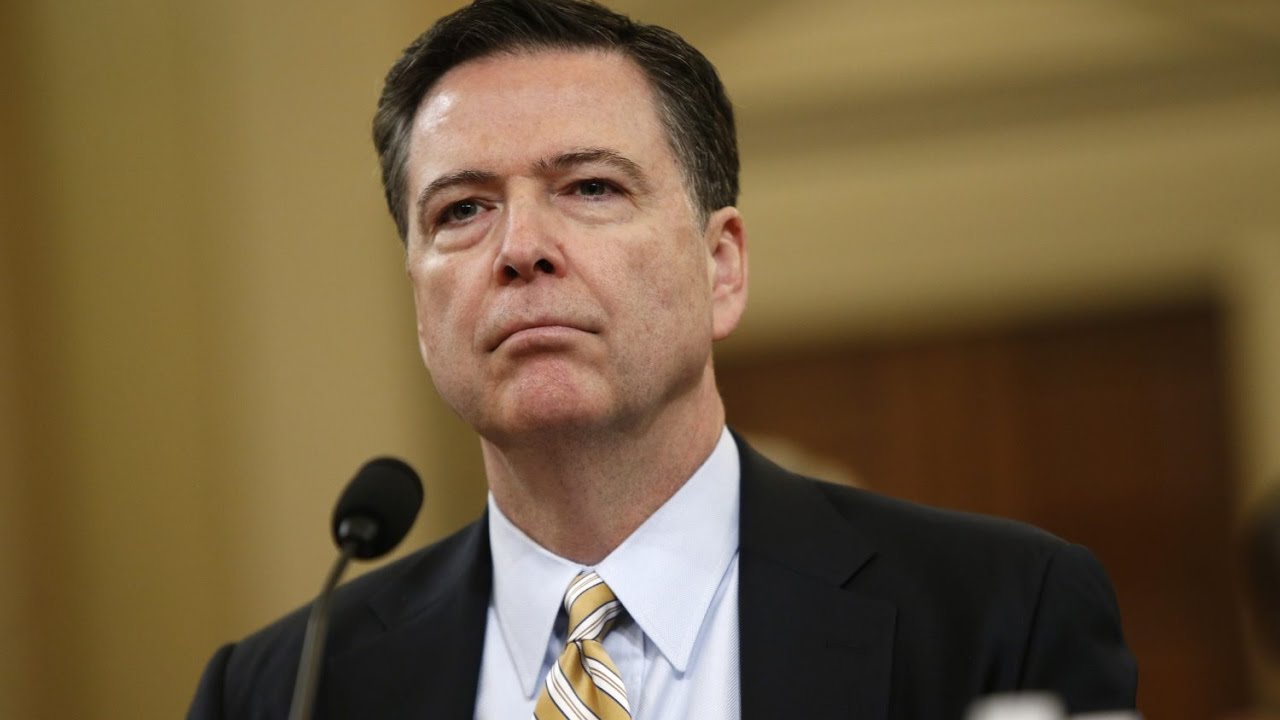
Legal commentator Gregg Jarrett contends that former FBI Director James Comey, through his handling of the Russia-investigation narrative and related internal records, mirrors the conduct of President Richard Nixon during Watergate. Jarrett points to recent disclosures of handwritten notes recovered from FBI burn bags, suggesting Comey was aware of the Hillary Clinton campaign’s alleged strategy to link Donald Trump to Russian interference—even while publicly framing the probe as purely an intelligence matter.
Jarrett argues the parallels run deep: both men purportedly wielded powerful institutions to shape political narratives, manage perceptions and sideline opponents. He says the Russian-collusion story, once widely accepted across media and government circles, now bears hallmarks of a covert influence campaign—one that relied on selective information leaks and internal bias rather than open investigation.
The analyst warns that despite the years of investigations and sweeping media coverage, key questions remain about the actual origin of the narrative and the extent to which institutional actors enabled it. He suggests history should view this as a cautionary tale about unchecked power within law-enforcement agencies and the importance of accountability—even at the highest levels.