
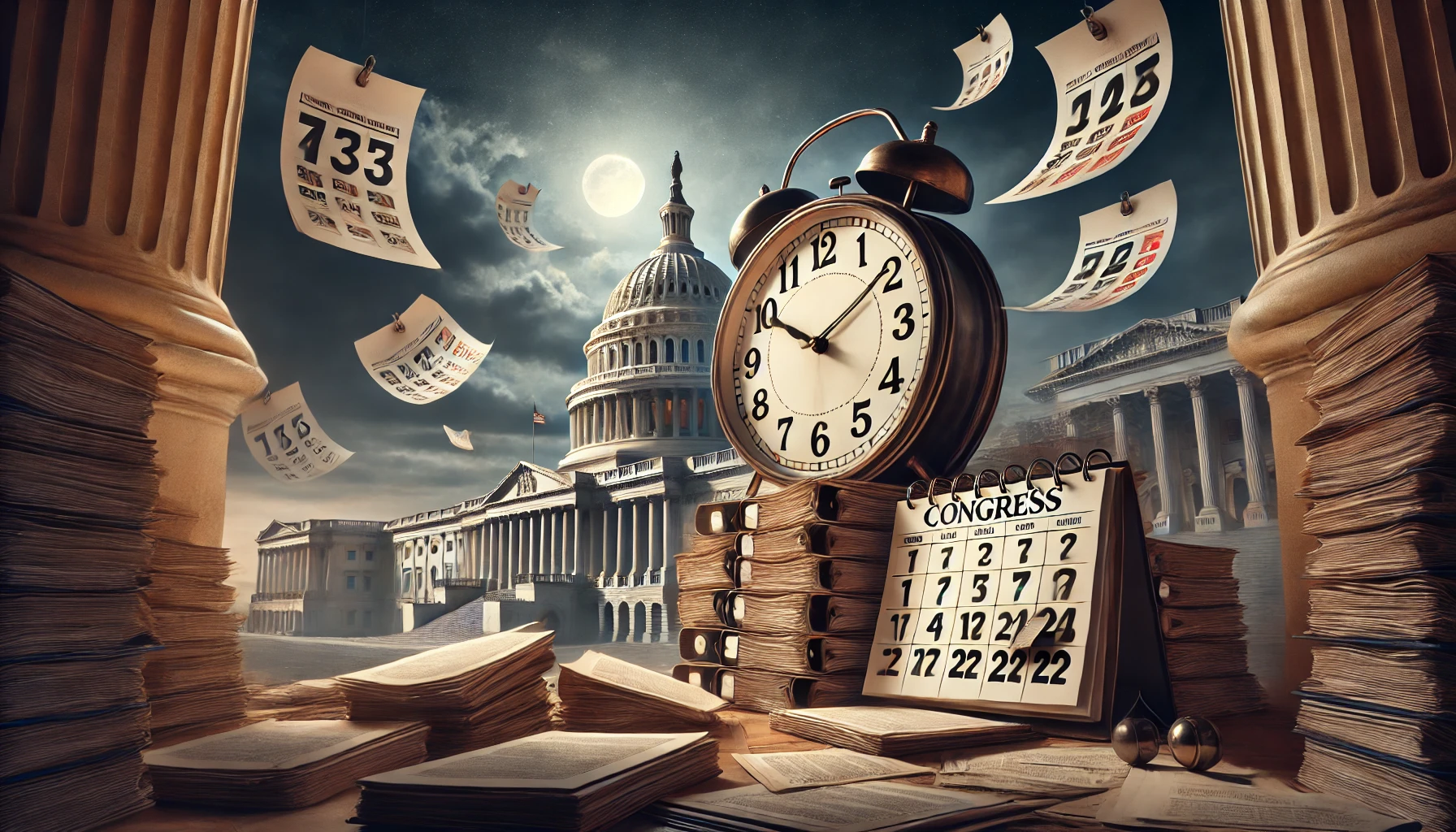
As the new year approaches, Congress is confronting a series of critical deadlines that could shape federal policy and government operations early in 2026.
Lawmakers are working under pressure to finalize or extend key measures that are set to expire or require renewal. Among the top priorities are decisions on healthcare subsidies, which support millions of Americans’ insurance premiums, and funding authorizations that could affect domestic and national security programs.
In addition to healthcare, members of both chambers are navigating budget timelines to avoid potential funding gaps. Without action, certain federal agencies risk partial shutdowns or disruptions in services that hinge on up-to-date appropriations.
Other pressing agenda items include debates over energy policy, tax provisions, and immigration enforcement, each with its own legislative and political challenges. These topics have seen intense negotiation as lawmakers seek bipartisan solutions while balancing competing priorities.
Congressional leaders have acknowledged the tight schedule and variable political dynamics that could influence negotiations. Many lawmakers are expressing urgency to agree on extensions or reforms before returning from the winter recess.
As the clock ticks toward these year-end and early-January deadlines, legislative activity is expected to accelerate, with members holding discussions, markups, and votes aimed at meeting the looming pressure points. Observers say the outcomes of these decisions will have far-reaching effects on governance and public services in 2026.