
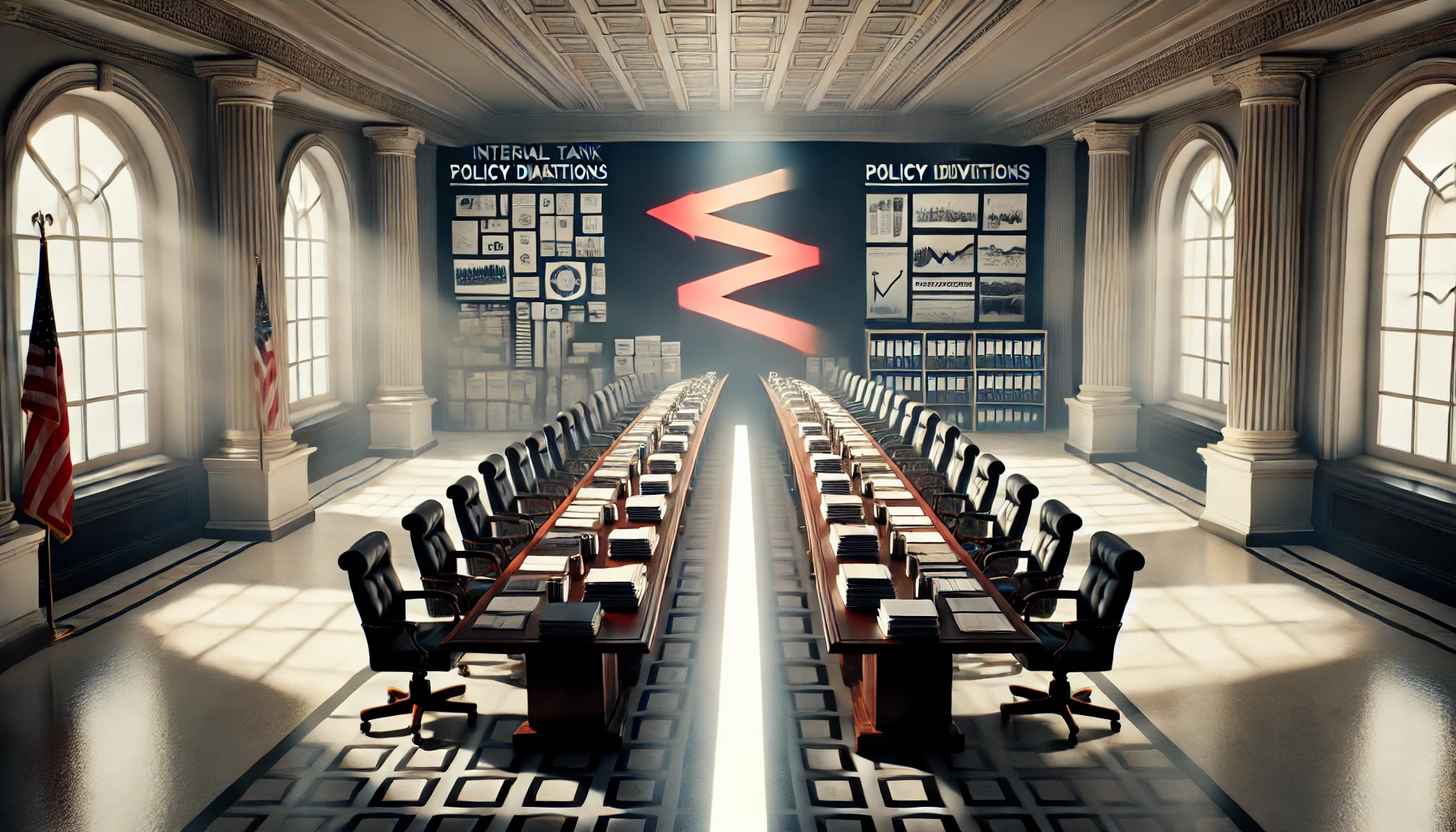
A prominent conservative commentator has outlined ongoing internal disagreements among major conservative think tanks, highlighting how differing priorities and strategic approaches are creating friction within the movement.
According to the analysis, several well–known policy organizations on the right are engaged in debates over focus areas, funding priorities, and public messaging. These disagreements span issues such as national security, economic policy, and the role of think tanks in shaping grassroots activism versus elite political influence.
Some think tanks emphasize traditional policy research, aiming to produce detailed reports and legislative proposals for lawmakers. Others, the report notes, are prioritizing media visibility and direct engagement with broader audiences, sometimes at the expense of technical depth.
The piece points out that these strategic divisions have led to public disputes, including criticism of rival groups’ methods, arguments over branding, and competition for donor attention. This dynamic has, in some cases, diluted unified conservative messaging and sparked debate over which approaches best advance the movement’s goals.
Observers say the conflicts reflect broader tensions within the conservative ecosystem, as think tanks balance intellectual rigor with the demands of a 24–hour media cycle and activist expectations. Some leaders within these organizations advocate for greater collaboration to maximize impact, while others argue that competition fuels innovation and sharper ideas.
The analysis concludes that the battles among conservative policy institutions are not merely personalities clashing but stem from deeper questions about how to influence public policy effectively in an evolving political landscape. The ongoing debates are shaping how conservative ideas are developed, communicated, and ultimately received by both policymakers and the public.