
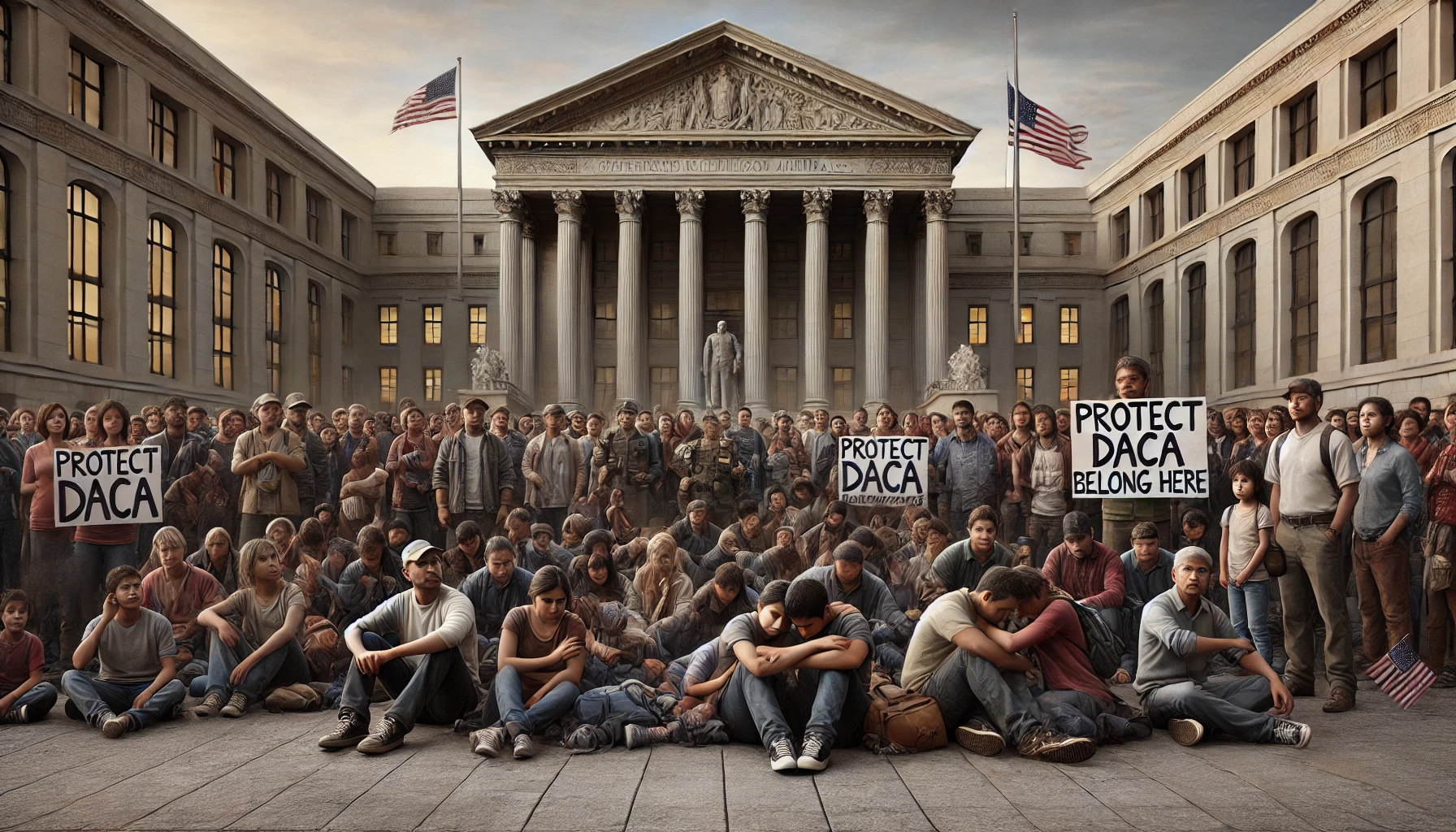
A federal appeals court has issued a significant ruling that challenges an Obama-era program granting protections to “Dreamers,” individuals brought to the U.S. as children without legal status. The decision represents a major setback for Deferred Action for Childhood Arrivals (DACA), a policy that has provided temporary relief from deportation and work authorization for hundreds of thousands of undocumented immigrants.
The court found that certain aspects of the program exceeded executive authority, citing concerns about its implementation without legislative approval. While the ruling does not immediately end protections for current DACA recipients, it casts uncertainty over the program’s future and raises questions about potential changes or legal challenges ahead.
Advocates for Dreamers expressed deep disappointment, emphasizing the contributions of DACA recipients to their communities and the economy. They renewed calls for Congress to pass permanent protections, arguing that legislative action is essential to provide stability for those impacted.
Opponents of DACA have argued that the program circumvented proper legislative processes, asserting that immigration policy should be decided by Congress rather than through executive action. The ruling has reignited debates over the balance of power in policymaking and the broader question of immigration reform.
As the legal battle continues, the decision highlights the precarious status of DACA recipients and underscores the ongoing need for comprehensive immigration solutions.