
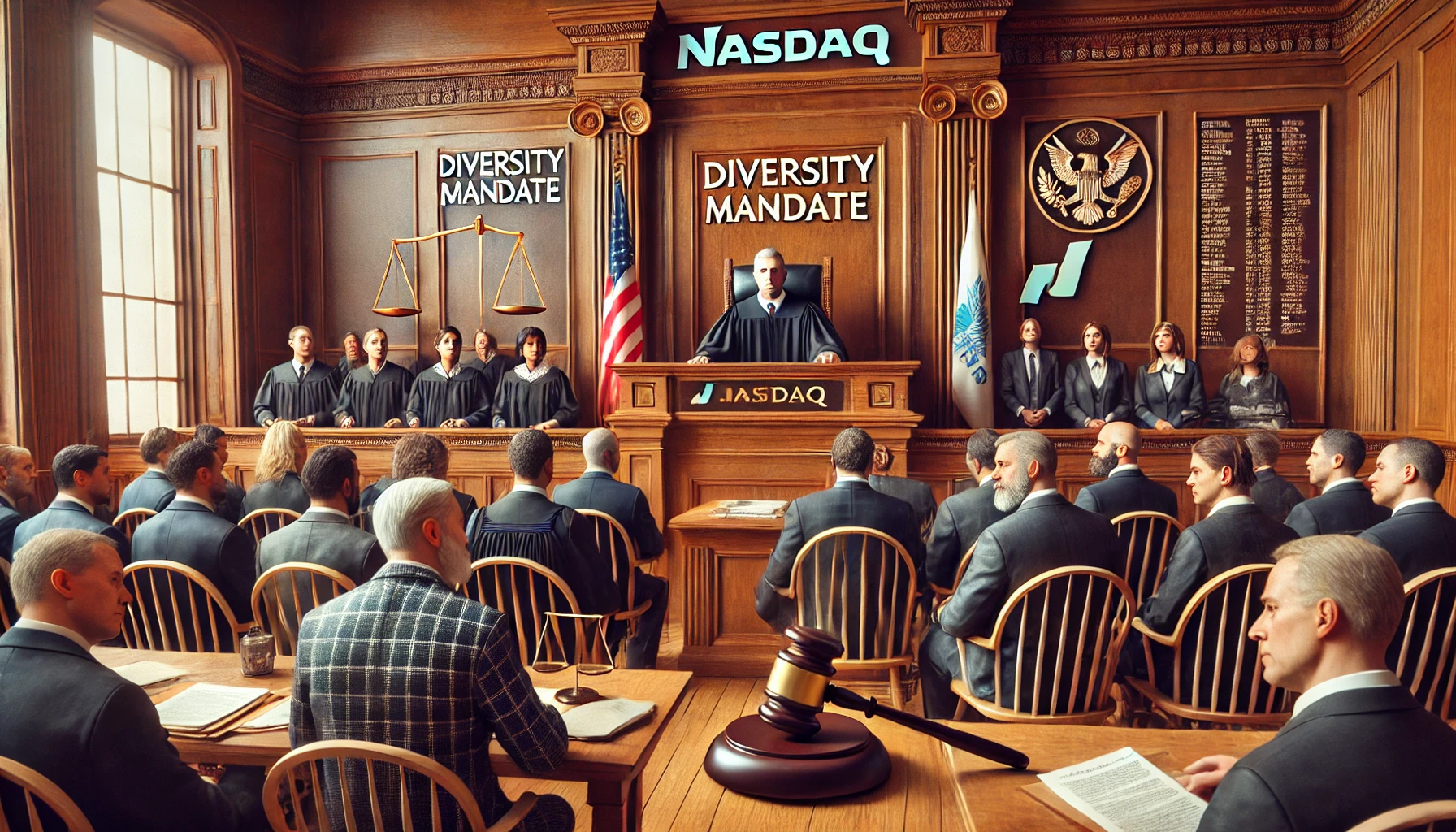
The tide appears to be turning against “woke” policies in many sectors, but some corporate governance rules, such as Nasdaq’s diversity mandates, suggest that remnants of these practices may persist for years to come. Critics argue that while progress has been made in shifting away from overly prescriptive policies, entrenched regulations highlight how deeply these ideologies have been embedded.
Nasdaq’s board diversity rules, implemented in recent years, require companies listed on the exchange to publicly disclose their board’s demographic composition and explain any lack of diversity. While intended to encourage inclusion, the policy has drawn sharp criticism from those who view it as government overreach or an unnecessary burden on businesses.
“The pushback against these rules reflects a broader shift in sentiment. People are questioning the effectiveness and fairness of such mandates,” said one business analyst. Opponents argue that companies should focus on merit-based appointments rather than fulfilling quotas, which they claim can dilute the quality of decision-making.
Supporters, however, maintain that these rules are vital for fostering equity and representation. They argue that diverse boards lead to better outcomes by incorporating a wider range of perspectives, which can ultimately enhance a company’s performance and decision-making processes.
This divide highlights the challenges businesses face as they navigate shifting societal expectations while striving to remain competitive in a global marketplace. For some companies, balancing shareholder interests with public demands for inclusivity has become a delicate tightrope walk.
Although recent trends suggest a retreat from more aggressive diversity mandates, the persistence of such policies indicates that debates over their necessity and impact will continue. As corporations adapt to changing market conditions and public sentiment, the long-term role of diversity initiatives remains a contentious issue.