
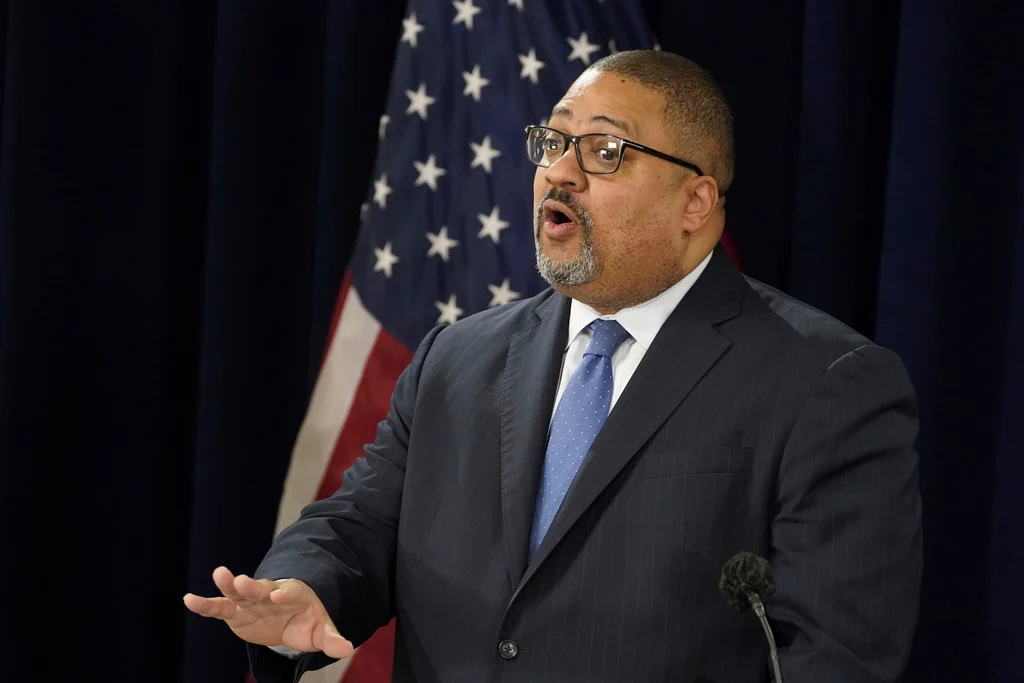
Legal observers have raised concerns about potential undue pressure on the jury deliberating in the high-profile case of Daniel Penny, a former Marine facing charges of negligent homicide. Critics have alleged that Manhattan District Attorney Alvin Bragg’s approach to the case may be aimed at influencing the jury’s decision through strategic legal maneuvers and public messaging.
Penny is accused of causing the death of Jordan Neely during a subway altercation. Neely, who was reportedly behaving erratically, was restrained by Penny in a manner that prosecutors allege led to his death. The case has drawn national attention, sparking debates over public safety, mental health, and self-defense in urban environments.
Former federal prosecutor Andy McCarthy has suggested that Bragg’s handling of the case reflects an intent to compel a specific outcome from the jury. McCarthy and other legal analysts have pointed to decisions made during the trial, including the emphasis on high-profile narratives and selective evidence presentation, as tactics that may heighten pressure on jurors.
Supporters of Penny argue that his actions were aimed at protecting passengers during a perceived threat and that the charges represent an overreach. Conversely, Neely’s family and advocates for reform highlight systemic failures in addressing mental health crises, suggesting that the legal proceedings underscore broader societal issues.
Jury deliberations have reportedly been tense, with observers noting the high stakes involved in reaching a verdict. The case has become emblematic of larger legal and social conflicts, with both sides awaiting an outcome that could set precedents for future cases involving self-defense and public intervention in emergencies.
As the trial progresses, attention will remain on the fairness and impartiality of the process, as well as the broader implications of the case for public discourse on justice and accountability.