
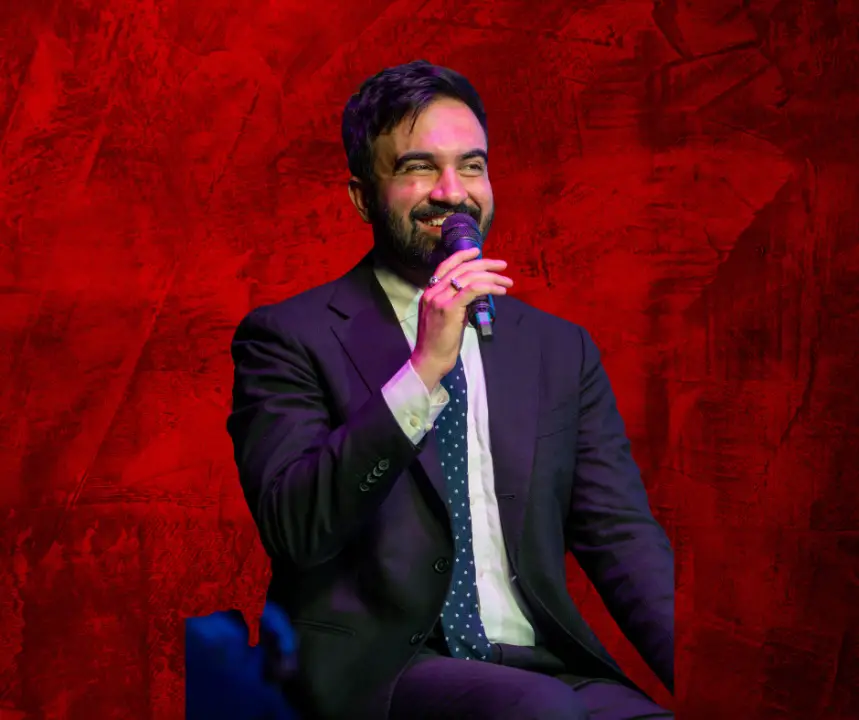
New York City’s homelessness strategy under Mayor Zohran Mamdani is drawing renewed scrutiny, with critics arguing that recent policy shifts have created conditions they describe as overly permissive, raising questions about priorities, enforcement, and long-term solutions.
Since taking office, Mayor Mamdani has backed expanded shelter access, housing placements, and social services, emphasizing dignity, harm reduction, and stability for people experiencing homelessness. City agencies have increased spending on shelters and supportive programs, aiming to move individuals off the streets and into safer environments.
Opponents contend that the approach has resulted in some homeless residents receiving generous accommodations and services, fueling perceptions that the system lacks sufficient incentives to transition into permanent housing or employment. They argue that visible homelessness remains a challenge in parts of the city despite increased funding.
The Mamdani administration maintains that improving living conditions is essential to addressing homelessness humanely and effectively. City officials say the focus is on long-term housing placement, mental health care, addiction treatment, and job support, not on encouraging dependency.
Supporters of the mayor argue that previous policies failed to address the root causes of homelessness and that expanded services are necessary to reduce harm and improve public safety. They point to early investments in housing and outreach as steps toward structural change.
As the city continues to grapple with homelessness, Mayor Mamdani faces mounting pressure to show measurable results, with the debate highlighting broader tensions between compassion, accountability, and the challenge of managing one of the nation’s largest homeless populations.