
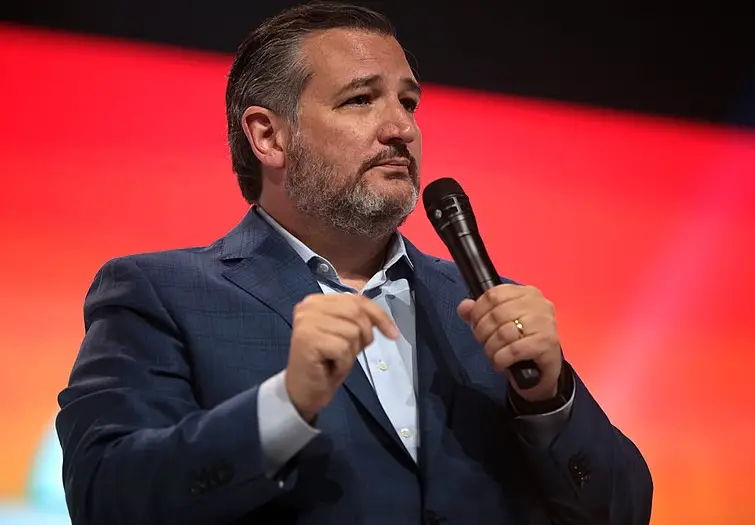
Senator Ted Cruz of Texas and the White House engaged in a heated exchange over the Biden administration’s handling of the recent Hamas attacks in Israel. The dispute began following Cruz’s appearance on Fox News, where he criticized the Biden administration for being sympathetic to calls for a cease-fire between Israel and Hamas.
Contradicting Cruz’s claim, former U.S. State Department Middle East negotiator Aaron David Miller stated to FactCheck.org that the administration had been unwaveringly supportive of Israel. Cruz, in a subsequent post on a social media platform formerly known as Twitter, argued that his initial statement was correct and accused the administration of asking Israel not to retaliate against Hamas. He also criticized the long-standing approach of U.S. Middle East diplomacy.
The White House responded through spokesperson Andrew Bates, who referenced a New York Times article praising the Biden administration’s support in Israel. The article noted a shift in the relationship between Israel and the U.S. under Biden’s presidency, particularly in the context of the Hamas attacks.
Cruz referred to an incident where the U.S. Office of Palestinian Affairs posted a message on social media calling for all sides to refrain from violence, which was later deleted. He also mentioned a post by Secretary of State Antony Blinken advocating for a cease-fire and the release of hostages held by Hamas, which was also removed.
Despite these incidents, the Biden administration publicly maintained its support for Israel. On October 10, President Biden reaffirmed the U.S. stance with Israel in a speech. However, internal dissent within the State Department was reported by Politico, revealing that some staff members urged a change in the U.S. approach towards Israel, advocating for a cease-fire and criticism of Israeli military tactics.
This internal memo, submitted through the State Department’s Dissent Channel, reflects the diverse opinions within the department regarding the U.S. support for Israel during the conflict with Hamas. The debate illustrates the complexity of U.S. foreign policy in the Middle East and the challenges in balancing various perspectives on such sensitive international issues.