
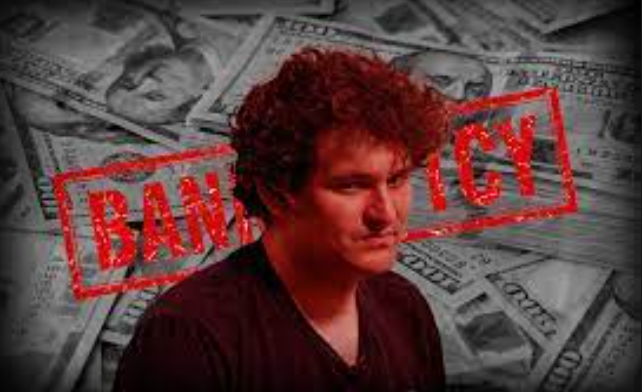
In a dramatic conclusion to a saga that has gripped the financial world, Sam Bankman-Fried, once a luminary in the cryptocurrency realm, has been found guilty by a federal jury in Manhattan of an elaborate fraud involving over $10 billion. The verdict marks a stunning reversal of fortune for the erstwhile billionaire and founder of the FTX exchange.
The 31-year-old, who rose to prominence with a reputation for being a wunderkind of the crypto industry, now faces a potential sentence of up to 115 years following his conviction on all seven counts, which include wire fraud, securities fraud, conspiracy, and money laundering.
Dressed in a sober gray suit paired with a purple tie, Bankman-Fried maintained a composed demeanor as the jury, after just a short four-hour deliberation, delivered their unanimous decision. Despite his stoic front, a brief moment of connection with his visibly shaken parents—both esteemed law professors at Stanford—revealed a more personal side to the proceedings.
The courtroom drama that led to this moment unfolded over a month, scrutinizing the events leading up to the sudden collapse of Bankman-Fried’s companies in November 2022. This collapse left a trail of financial chaos, with countless customers locked out of their funds.
Taking an unusual and high-stakes step, Bankman-Fried chose to testify, a move seldom seen in criminal trials. Over several days, he repeatedly claimed amnesia over key details of his operations, including whether he had instructed the creation of a secretive software backdoor to funnel customer funds from FTX to Alameda Research, his hedge fund.
Prosecutors, however, painted a starkly different picture, depicting the accused as the mastermind of a ‘pyramid of deceit’, carefully crafted to conceal the fraudulent foundation upon which his businesses were built. They argued that his claims of mere ‘oversights’ in risk management and innocent mistakes were implausible.
In a particularly striking moment, the prosecution’s chief witness, Caroline Ellison, former CEO of Alameda Research and Bankman-Fried’s one-time romantic partner, delivered a damning testimony. She directly implicated him, alleging that he was the architect behind the unauthorized diversion of customer assets.
As the trial progressed, the prosecution endeavored to dismantle Bankman-Fried’s defense, suggesting his transformation from a casually dressed CEO to a more polished appearance for the trial was a calculated ploy to sway the jury.
Throughout the trial, jurors also heard heart-wrenching accounts from individuals who had suffered financial losses due to the collapse of FTX, highlighting the human cost of the scandal.
Bankman-Fried’s defense attempted to counter by questioning the credibility of the testimony given by Ellison and others, likening their narratives to scripted performances, with Bankman-Fried cast as the central villain.
Nevertheless, the jury was not persuaded by these arguments, and their verdict has solidified Bankman-Fried’s fall from a figure once hailed as the face of an innovative future to a convicted fraudster responsible for one of the most notorious financial deceptions in recent history.
As the trial concluded, the federal Judge Lewis Kaplan offered a humane touch, providing for the jurors’ comfort with offers of pizza and transportation after long hours of deliberation.
The sentencing, set for March 28, now looms over Bankman-Fried, who admitted in a moment of candor on the witness stand that his grand ambitions had ultimately resulted in widespread harm—a far cry from the visionary success he had once envisioned for FTX and its clients.