
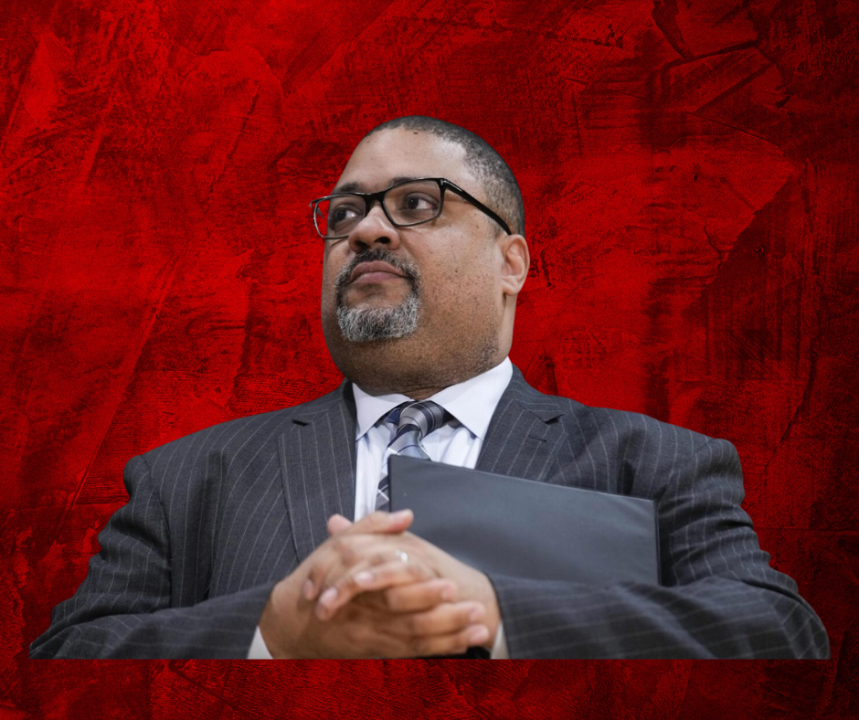
Manhattan District Attorney Alvin Bragg led a watercolor painting session under the George Washington Bridge in Washington Square Park as part of his summer “Art of Healing” series—designed to reclaim public spaces marked by crime and addiction.
As Bragg painted trees in the park’s troubled northwest corner, a nonprofit organization distributed free syringes, tourniquets, and other harm-reduction supplies to individuals using drugs nearby. Critics say the juxtaposition of a community art event and active drug use underscored a policy clash between revitalization efforts and permissive safety strategies.
Local residents and neighborhood leaders condemned the scene, accusing Bragg of staging a symbolic gesture while the park continued to be a hotspot for drug activity. Despite a crime crackdown that has led to 471 narcotics arrests in the precinct so far this year—a 68% increase over last year—many of those arrested are quickly released.
Supporters of harm reduction, including the nonprofit and its funders, argue the strategy prevents overdoses and connects users to services. Opponents contend that such programs enable ongoing addiction and discourage recovery.
The event highlighted an ongoing tension in New York City governance: balancing compassionate public health policies with public safety and community restoration efforts in urban green spaces.