
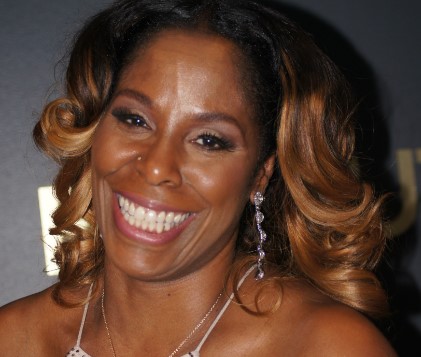
The hallowed halls of Congress transformed into a fiery battleground as Delegate Stacey Plaskett unleashed a verbal onslaught defending censorship. With self-righteous fury, she condemned the heretical views of witness Robert F. Kennedy Jr., deeming them unworthy of constitutional protection.
“This is not the free speech I know,” Plaskett proclaimed sanctimoniously, recalling Kennedy’s past controversial statements. “Free speech is not absolute. The Supreme Court has stated that.”
But Plaskett’s crusade faltered on the facts. While the Court has allowed limited restrictions on the time and manner of speech, never has it restricted speech based on content or viewpoint. Yet undeterred by truth, she charged onward.
With accusatory zeal, Plaskett claimed Republicans sought not to defend free expression, but to weaponize conspiracy theories and misinformation for electoral gain.
“They want to force companies to promote lies!” she decried. “It’s the only way their candidate can win.”
Kennedy sought to defend his good name against this inquisitional onslaught. He had faced censorship for even mainstream views, not just controversial ones, he argued. The very purpose of free speech was protecting disagreeable ideas.
Yet his reasoned words fell on deaf ears. Plaskett saw not nuance, but apostasy. She would play the role of censor in the name of silencing dangerous thoughts. The halls of Congress became a theatre where righteousness battled heresy. And truth lay trampled in the fray.