
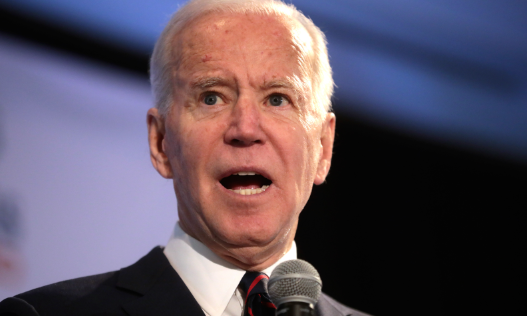
Several Democratic lawmakers are raising concerns about President Joe Biden’s campaign approach as he faces diminishing poll numbers and decreased popularity ahead of the 2024 election. This sentiment is shared by other left-leaning individuals, including a former aide to First Lady Jill Biden. Despite these concerns, Biden’s re-election campaign has not yet implemented significant changes.
Senator Bernie Sanders, an Independent from Vermont who caucuses with Democrats, voiced his apprehension about Biden’s current election strategy. Sanders highlighted that the president’s handling of the Israel-Hamas conflict has impacted his standing, particularly among younger voters. “There is no question, it is very hard for young people, I think for most Americans, to be excited about what is going on right now,” Sanders told CNN. “President [Biden] has got to change course.”
Former House Majority Leader Steny Hoyer of Maryland and other Democrats in Congress have also indicated unease with the campaign’s direction. Hoyer, despite lauding Biden’s administration as one of the most successful since Franklin Roosevelt, emphasized the need to effectively communicate these achievements to the American public.
Representative Bennie Thompson, a Democrat from Mississippi, expressed his discomfort with the current state of the campaign, calling for more diversity in the team. “It just appears that the people who were engaged in helping craft the message and direction of the 2020 campaign are not actively involved in this campaign,” Thompson remarked. He stressed the importance of including men and women of color, Latinos, and Asians to ensure a broad and inclusive campaign.
The concerns follow criticism from former Biden aide Michael LaRosa, who blasted Biden’s team for the president’s faltering poll numbers. LaRosa argued for a reevaluation of the president’s aides and a more aggressive approach to countering negative narratives.
Democratic strategists David Axelrod and James Carville have also expressed doubts about Biden’s re-election prospects. Axelrod urged either a complete withdrawal or a more proactive campaign, while Carville described Biden’s poll numbers as “troubling” and indicative of voter apprehension.
Biden’s campaign, facing an uphill battle in the 2024 elections, has yet to respond to these concerns. As the election season intensifies, the Democratic party grapples with the challenge of bolstering Biden’s campaign amid a climate of skepticism and decreasing support.