
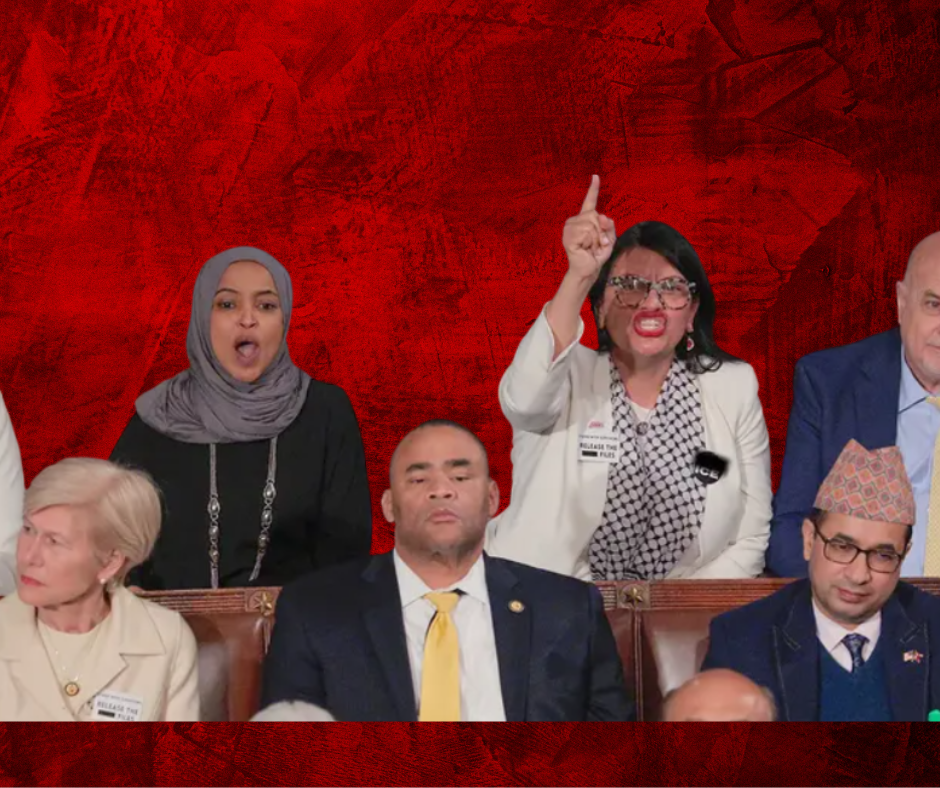
Republican strategists are describing Democratic responses to the recent State of the Union address as a political miscalculation that could benefit GOP messaging ahead of upcoming elections.
According to analysts on both sides of the aisle, the Democratic framing of the president’s priorities and the subsequent rebuttals failed to connect with many voters, leaving Republicans positioned to amplify their own talking points. GOP operatives say the Democrats’ focus on certain issues opened space for Republicans to argue that their agenda better reflects everyday concerns about the economy, public safety, and national security.
The debate centers on how effectively each party communicated its stance during and after the address. Republicans have cited the mixed reactions to Democratic comments as evidence that their opponents have struggled to pivot from defense to offense in the broader national conversation.
Democrats, for their part, maintain that their policy goals remain aligned with core constituencies and argue that criticism from GOP strategists is to be expected after a high-profile national speech. Supporters contend that the true impact of the exchange will be determined over the longer term as voters weigh competing visions for the future.
Political commentators note that while post-State-of-the-Union reactions often shape short-term headlines, broader public opinion tends to evolve as campaign narratives take hold across diverse media platforms.
As both parties adjust their strategies, the aftermath of the address highlights how political messaging — and reactions to it — can influence momentum, media coverage and voter engagement in the months leading up to critical contests.