
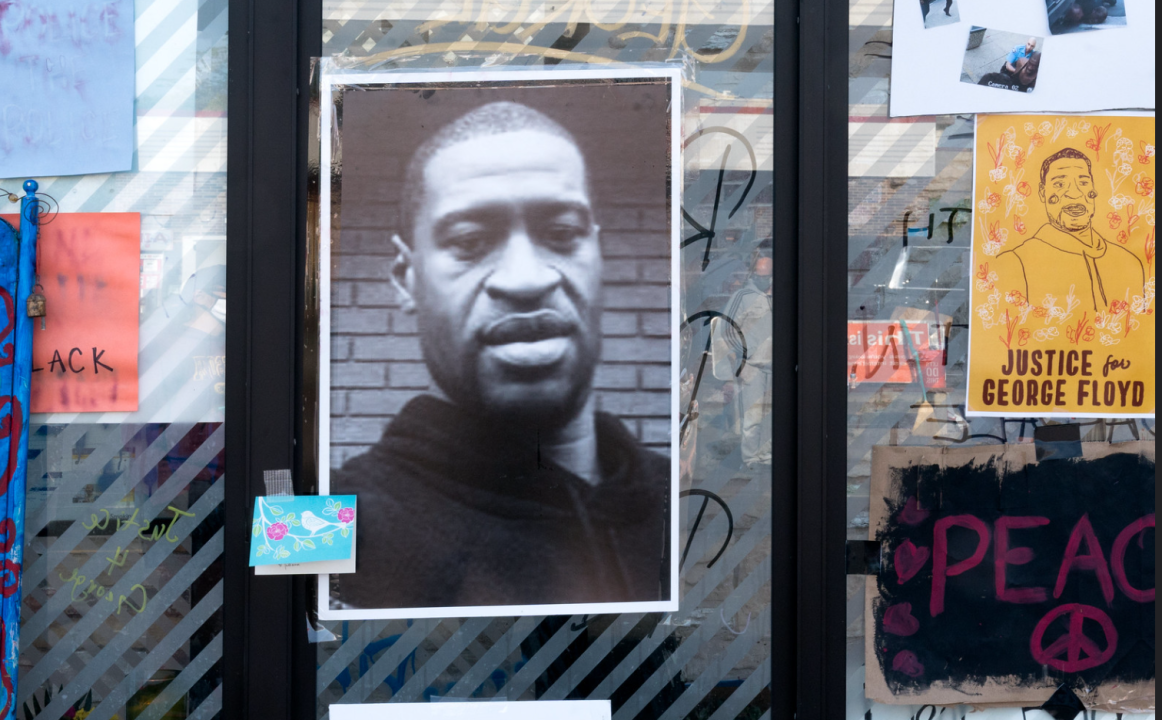
Derek Chauvin, the former Minneapolis police officer convicted in the 2020 case involving George Floyd’s death, is taking fresh legal steps to challenge his federal civil rights conviction. In recent court proceedings, Chauvin has introduced what he claims is pivotal new evidence, potentially impacting the outcome of his case.
This week, Chauvin, currently incarcerated in a federal prison in Arizona, appeared in court to argue his position. Central to his appeal is the assertion that George Floyd’s death was not a direct result of his actions. Chauvin’s argument hinges on the input of Dr. William Schaetzel, a pathologist from Topeka, Kansas. According to Chauvin, Dr. Schaetzel suggests that Floyd’s demise could be attributed to a rare medical condition involving a paraganglioma tumor, which might have caused a sudden and fatal adrenaline rush.
In a motion filed without legal representation, Chauvin contends that this new theory, which challenges the cause of Floyd’s death, was unknown to him during his 2021 guilty plea. He argues that the jury’s decision might have been different had this medical opinion been available during his trial.
Chauvin’s request, filed in federal court, seeks either a complete dismissal of his civil rights conviction, a new trial, or at least a hearing to present this new evidence. It is important to note that Dr. Schaetzel did not conduct a physical examination of Floyd but based his conclusions on autopsy report reviews.
The path to appeal has not been smooth for Chauvin. His requests for a rehearing have been denied twice by a federal appeals court. Additionally, he is awaiting a decision from the U.S. Supreme Court on whether it will consider his appeal against the state court murder conviction.
This development adds a new layer to the high-profile case, as legal and medical opinions converge in a continuing debate over the circumstances of George Floyd’s death.