
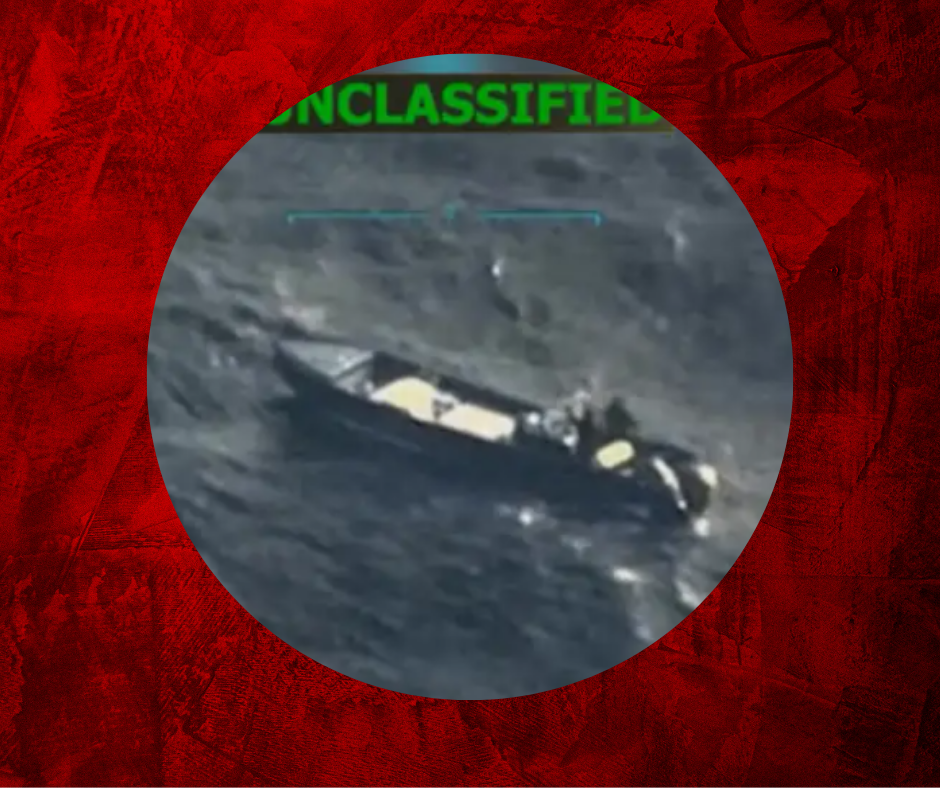
A U.S. military legal officer reportedly was not present during the second strike on a Venezuelan-linked drug boat — a controversial follow-up attack that killed survivors clinging to the wreckage. Critics argue that under military law, a lawyer should have been on the scene to review the strike’s legality.
The original strike, carried out on September 2, destroyed the vessel and killed most aboard. According to later reporting, two individuals survived and were visible in the water before a second munition obliterated the remains.
When the strike began, the command chain authorized the mission. But defense officials have admitted that only strike orders and targeting the boat itself were explicitly approved. The decision to fire on those in the water was issued by a field commander — not reviewed in real time by legal counsel.
Experts in the law of armed conflict emphasized customary military procedure: when there is a high risk of targeting noncombatants or shipwrecked survivors, a legal advisor should ideally assess whether the attack would comply with international humanitarian rules. Their absence has fueled sharp debate over whether the second strike constituted a violation of those rules.
Members of Congress and international legal watchdogs are now demanding full disclosure of all imagery and communications from the strike, calling the event — and the legal process behind it — deeply troubling. They warn the way this operation was handled could set a dangerous precedent for the use of lethal force at sea.