
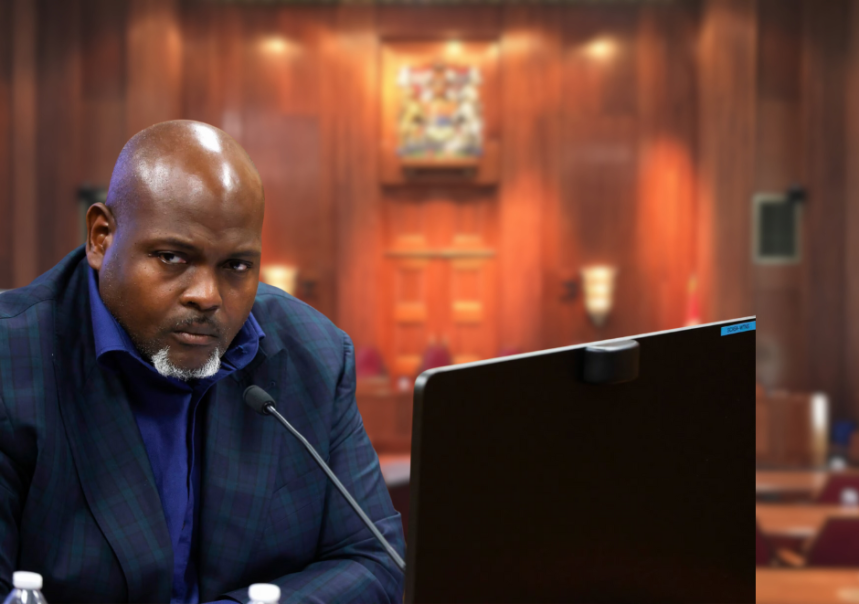
In a recent court proceeding, Terrence Bradley, the former law partner and divorce attorney for Nathan Wade, testified regarding the timeline of Wade’s relationship with District Attorney Fani Willis. This testimony comes amidst allegations that Willis and Wade were involved romantically prior to Willis appointing Wade as a special prosecutor in the high-profile Georgia election interference case involving former President Donald Trump, which took place in November 2021.
Bradley, who was anticipated to provide pivotal insights into the relationship between Willis and Wade, stated under oath that he does not possess any knowledge regarding the inception of their romantic involvement. During the cross-examination by Ashleigh Merchant, an attorney representing Trump co-defendant Michael Roman, Bradley admitted to discussing the relationship with Wade only once in their law office but could not recall the specific timing of this conversation.
The court has been informed by both Willis and Wade that their relationship turned romantic in 2022, a timeline they have consistently maintained throughout the legal process. However, the legal team for Trump and Roman has challenged this assertion, suggesting evidence to the contrary.
Previously, Bradley had resisted testifying in court, invoking attorney-client privilege with Wade. Nevertheless, Judge Scott McAfee determined that such privilege did not apply to Bradley’s potential testimony about Willis and Wade’s relationship, leading to Bradley being called to the stand.
The controversy surrounding Willis and Wade has raised questions about the integrity of the Georgia 2020 election interference case against Trump, with the defense arguing that Willis’s financial gains from Wade’s appointment could constitute a conflict of interest. Evidence presented by Merchant included details of luxury travels funded by Fulton County’s resources, purportedly enjoyed by Willis and Wade.
In addition to Bradley’s testimony, the defense has highlighted cellphone data indicating Wade’s presence at Willis’s residence prior to 2022 and a witness account from 2019 describing Willis and Wade in an intimate embrace. This testimony aims to bolster the defense’s argument for disqualifying Willis from the case and dismissing the charges under the state’s RICO law, which Trump and his co-defendants are facing.
The legal battle continues to unfold, with both sides presenting evidence and testimony to support their respective positions on the nature and timing of Willis and Wade’s relationship, as well as its implications for the ongoing case.