
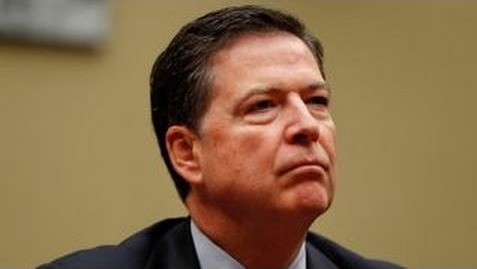
The James Comey criminal case took a sharp turn this week as federal prosecutors signaled a push to remove his lead defense attorney, Patrick Fitzgerald, citing a potential conflict of interest tied to the attorney’s prior role in media disclosures.
In a filing submitted to the court, prosecutors argued Fitzgerald’s past involvement in sharing information—some later classified—with journalists could interfere with Comey’s attorney-client privilege and cloud the integrity of the legal process. The move raises the stakes for the high-profile case, which charges Comey with making false statements to Congress and obstructing a federal proceeding.
DoJ asked the court to authorize a “filter team” to review case materials and determine whether Fitzgerald’s actions created an undivided loyalty issue. Comey’s defense counters that no classified data was handled improperly and that Fitzgerald’s legal role is both appropriate and unbound by past representation.
The deadline for a decision on Fitzgerald’s status is approaching, and his potential removal now looms over the case—one that remains a major legal flash-point in Washington.