
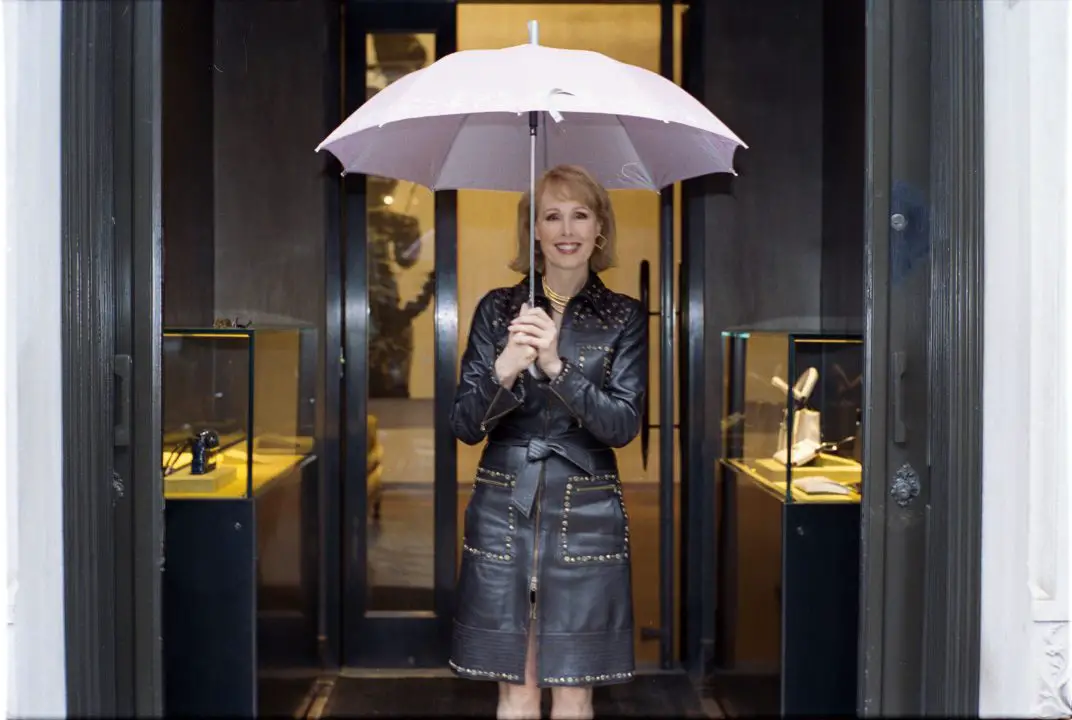
E. Jean Carroll has argued in court that former President Donald Trump’s statements about her were personal attacks, not actions taken in his official capacity, and therefore should not be shielded by presidential immunity. Carroll’s legal team contends that Trump’s comments—denying her allegations and dismissing her claims as politically motivated—were made as a private individual rather than as part of his duties as president.
The dispute stems from Trump’s public response to Carroll’s allegations, in which she accused him of defamation for calling her claims false. Carroll insists that his remarks were designed to discredit her personally, rather than as part of his role as a government official, making him liable for damages.
Trump’s defense team, however, maintains that his statements were made while addressing the public in his role as president and should therefore be protected under immunity provisions that shield officials from legal consequences for actions taken while in office. They argue that responding to public allegations falls within the responsibilities of a sitting president.
The case has drawn widespread attention as it raises important legal questions about the extent of presidential immunity and whether it applies to personal disputes involving public officials. Legal experts suggest that the outcome of the case could set a significant precedent for how defamation claims are handled against former presidents.
As the court deliberates, both sides remain firm in their arguments, with Carroll seeking accountability and damages while Trump’s team continues to push for the case to be dismissed on immunity grounds. The ruling is expected to have broader implications for the legal boundaries of presidential conduct and personal responsibility.