
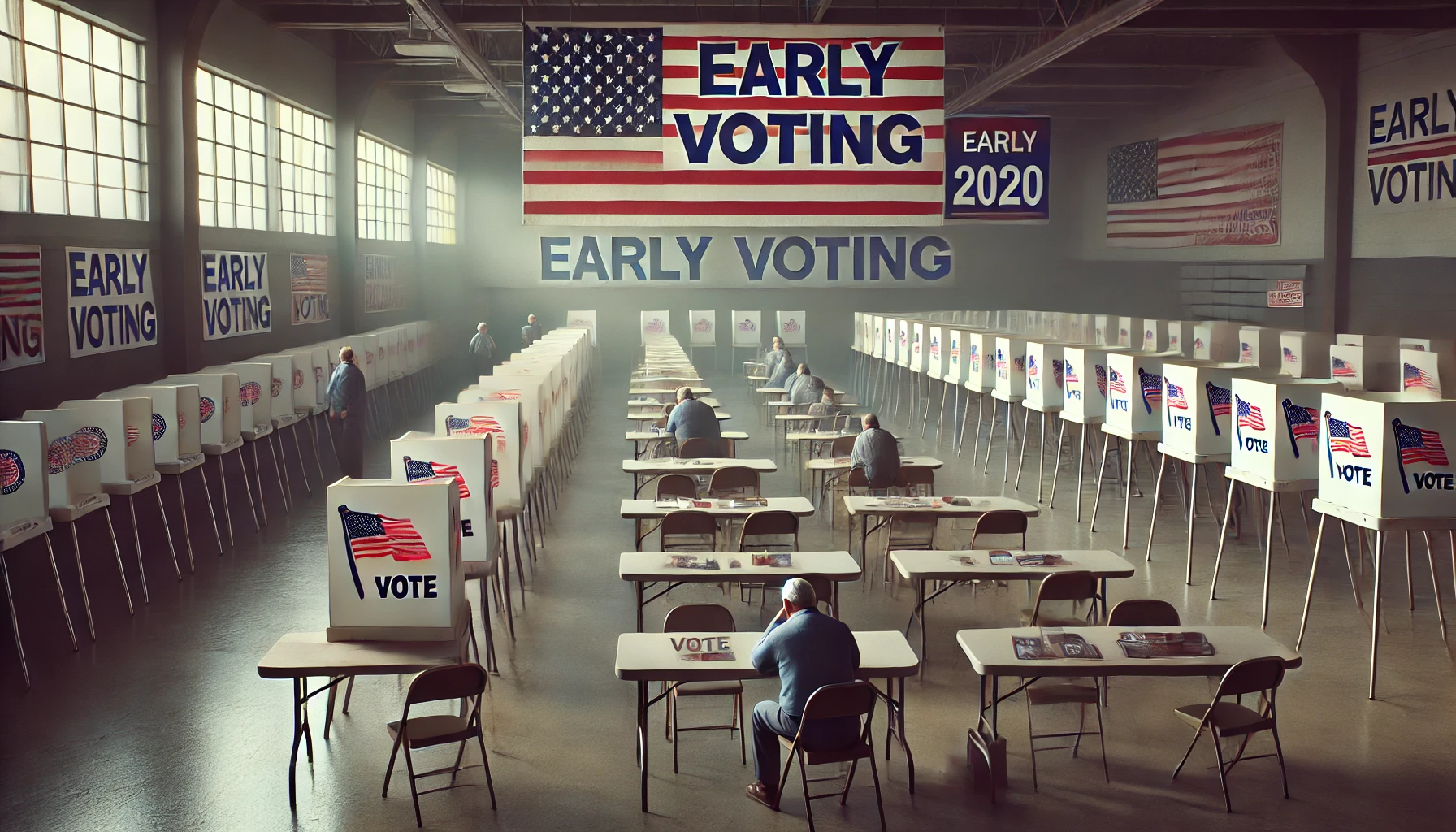
Recent data shows a decline in early voting numbers compared to previous election cycles, which could signal potential challenges for Democratic candidates. Analysts observe that lower early turnout has traditionally been a setback for the Democratic Party, which often relies on robust early voting as part of its strategy to maximize voter participation.
Historically, high early voting numbers have benefited Democrats by ensuring that more of their base votes ahead of Election Day, reducing last-minute barriers to turnout. The current dip in early voting has raised concerns among some party strategists, who are now focusing efforts on increasing engagement and turnout as Election Day approaches.
Republican strategists, on the other hand, are optimistic, interpreting the early numbers as a favorable shift. The early voting trend has fueled discussions within both parties, with Democrats working to close any potential turnout gaps and Republicans viewing the trend as a sign of increased momentum among their base. As the election nears, both sides are closely monitoring these figures, understanding that turnout patterns will play a crucial role in shaping final results.