
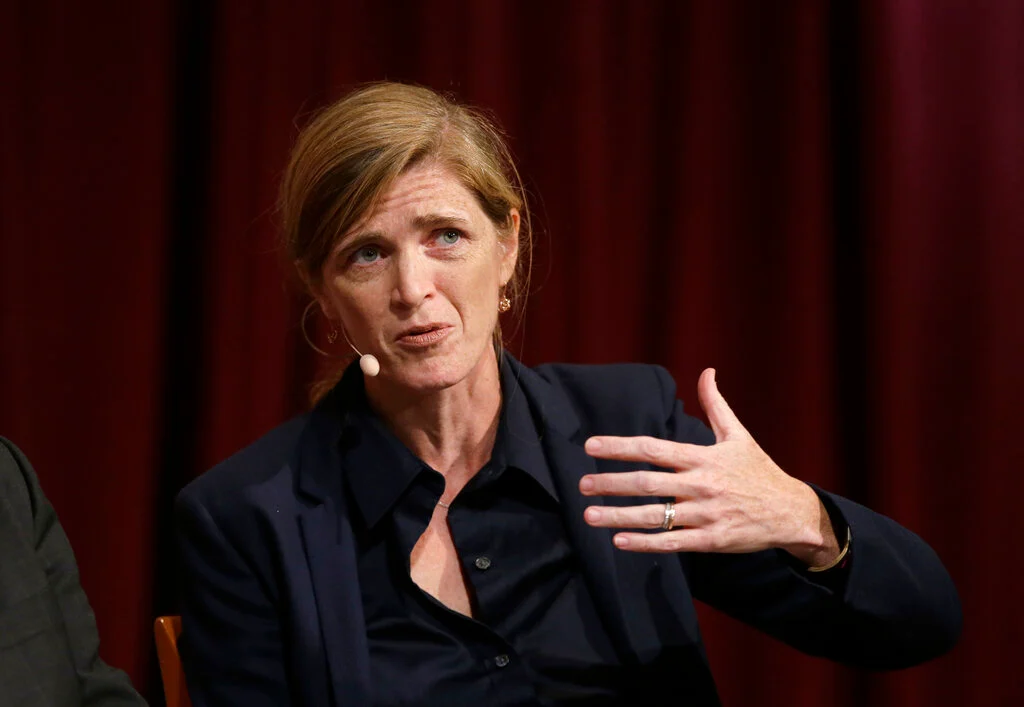
Samantha Power, who led the United States Agency for International Development (USAID) from 2021 to 2025, is facing renewed examination of her leadership as the agency undergoes significant restructuring. Appointed during the Biden administration, Power previously served as U.S. Ambassador to the United Nations and was a member of the National Security Council.
During her tenure at USAID, Power managed a substantial foreign aid budget, directing funds toward various international development initiatives. However, her leadership faced criticism, including allegations of mismanagement and concerns over the agency’s spending practices.
In 2024, internal dissent emerged within USAID, with staff members expressing discontent over certain policy directions and management decisions. Additionally, Power’s meetings with influential philanthropic organizations, such as the Open Society Foundations and the Bill and Melinda Gates Foundation, drew scrutiny regarding potential conflicts of interest.
The recent administrative focus on USAID’s operations has intensified discussions about Power’s legacy and the agency’s future. As the Department of Government Efficiency (DOGE), led by Elon Musk, implements measures to address perceived inefficiencies, USAID’s structure and leadership are under evaluation.
Power’s tenure is now a focal point in debates about the effectiveness and direction of U.S. foreign aid programs. The outcomes of these discussions may lead to significant changes in how the United States administers international development assistance.